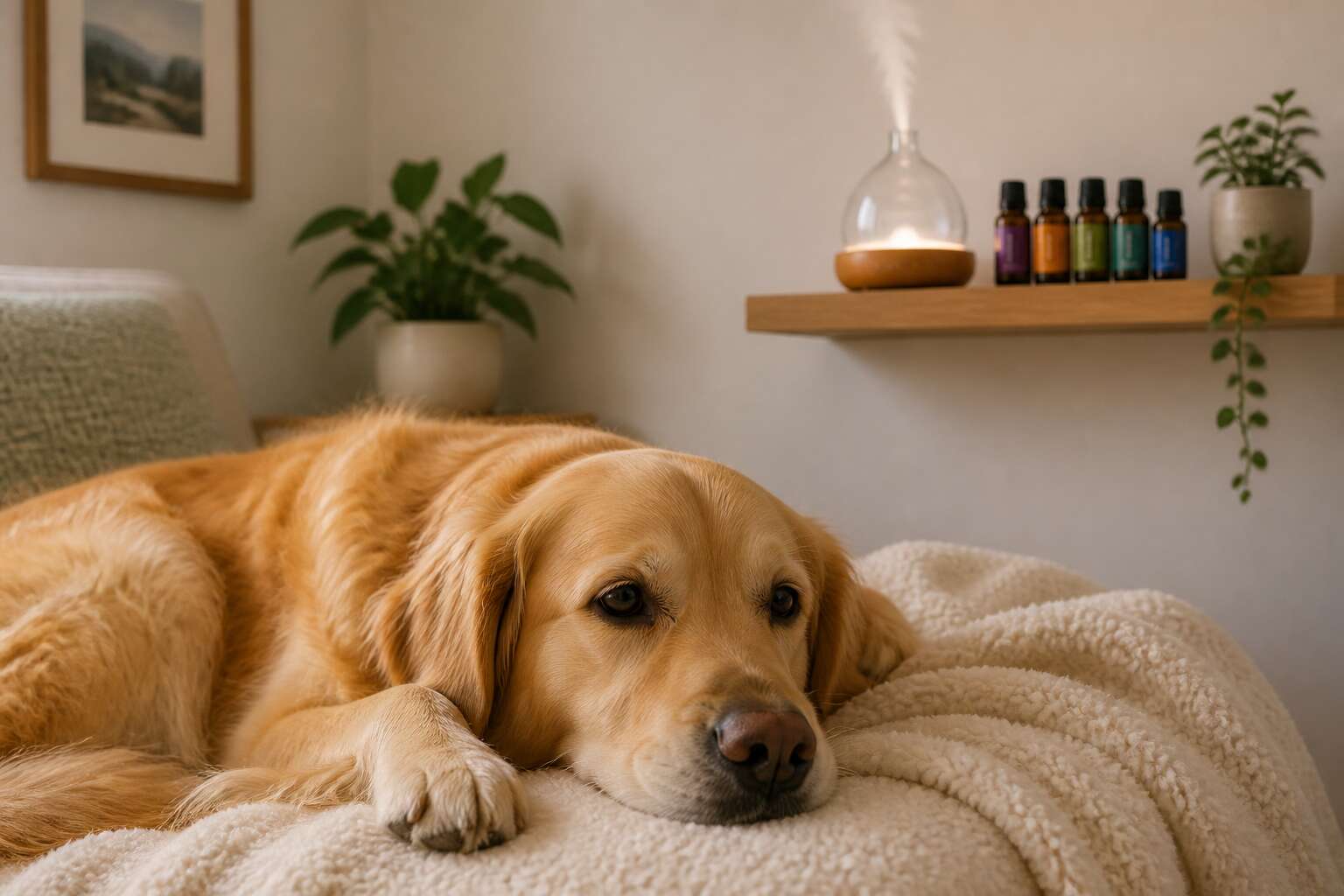
Understanding Aromatherapy and Canine Sensitivity
How Dogs Experience Scent Differently from Humans
Imagine your dog’s nose as a gateway to a world we will never fully perceive. While we might catch the faint, pleasant drift of lavender on a breeze, our canine companions are reading an entire chemical biography of that same scent. Their olfactory epithelium contains upwards of 220 million scent receptors, compared to our meagre five million, making their experience of aromatherapy fundamentally different from our own. This is not merely a matter of intensity, but of quality. A scent we find soothing might arrive at their brain as a complex, overwhelming burst of information, impossible to filter out.
This anatomical disparity dictates how essential oils interact with a dog’s system. Humans primarily engage with scent cognitively, but dogs use it to assess safety, territory, and social cues. When you diffuse an oil, you are altering the molecular landscape of their home. The canine brain dedicates a far larger proportion of its capacity to processing odour than the human brain does, which means that what feels like a subtle background note to you is a dominant sensory input for them.
To understand the potential for distress, consider the functional differences at play:
- Their noses are designed for constant sampling, not passive enjoyment.
- Their livers lack the specific enzymes needed to metabolise many plant compounds found in essential oils.
- Their stress response can be triggered by unfamiliar or intense olfactory signals.
Because their olfactory processing is so deeply wired into their emotional centres, an overpowering scent can lead to anxiety or physical discomfort. This heightened sensitivity is precisely why the question of whether are aromatherapy oils safe for dogs requires a serious look at dosage, delivery method, and individual temperament. We must move beyond the human-centric view of fragrance and consider the world from their ground level, where scent is not a luxury, but a primary language.
The Science Behind Essential Oils and the Canine Olfactory System
Picture this: you are lounging with a lavender diffuser, feeling serene, while your South African boerboel is trying to process what smells like an entire chemical factory exploding in their living room. This is the crux of the matter when we ask are aromatherapy oils safe for dogs. The science is not just about the nose; it is about the liver, the brain, and the stress hormones.
When we inhale an essential oil, our bodies filter and process it through a metabolic pathway that dogs simply do not possess in the same capacity. Canine livers are notoriously deficient in certain cytochrome P450 enzymes, which are crucial for breaking down the terpenes and phenols found in many plant extracts. This means that compounds like eucalyptol or menthol can linger in a dog’s system far longer than they would in ours, leading to potential toxicity. The result is not a gentle calming effect, but a burden on their detoxification organs.
The olfactory system of a dog is also hardwired directly into the amygdala and the hippocampus. These are the emotional and memory centres. When you introduce a strong scent, you are not just creating a background smell; you are initiating a neurological event. For a sensitive animal, this event can be read as a threat, triggering a fight or flight response that is the opposite of relaxation.
To understand the risk profile, consider these physiological factors:
– The blood-brain barrier in dogs is more permeable to certain volatile organic compounds.
– Their respiratory rate is higher, meaning they inhale a greater volume of air relative to their body weight.
– The surface area of their nasal mucosa is proportionally larger, increasing absorption rates.
So, are aromatherapy oils safe for dogs? The answer is a complicated no. They are not inherently toxic in every form, but they are far from benign. The risk of overexposure is high because we cannot calibrate the dose to their perception. What we see as a subtle wellness tool is, to them, an uninvited, overpowering presence. The safety of your pet depends entirely on your willingness to regard their sensory reality as more important than your aesthetic preference.
Common Uses of Aromatherapy in Dog Care
The question of whether aromatherapy oils are safe for dogs often surfaces in homes where lavender and eucalyptus mists have become a daily ritual. The core issue is not always intentional application but inadvertent exposure. A diffuser running in a small room, a few drops spilled on a rug, or a scented balm applied to human skin can all become sources of concern.
Common uses of aromatherapy in dog care typically include attempts to address anxiety or skin irritation. Some owners apply diluted chamomile to a dog’s bedding. Others might use a cedarwood spray near a crate to promote calmness during a thunderstorm. The intentions are positive, but the physiological outcome is unpredictable.
– Skin application risks rapid transdermal absorption, bypassing the liver’s first-pass metabolism.
– Inhalation via a diffuser can saturate a room, overwhelming a dog’s superior olfactory receptors.
– Ingestion during grooming (licking) converts a topical treatment into an oral exposure.
These methods presume a baseline of tolerance that many dogs lack. Your dog cannot tell you when a smell becomes uncomfortable or when a compound triggers a mild headache. They can only exhibit subtle signs like excessive panting, drooling, or hiding. The market offers products labelled as pet-friendly, yet many rely on synthetic blends that mimic plant chemistry without replicating its complexity. When you purchase a product for a dog, the burden of proof falls on you, not the manufacturer. The divergence between species-specific biology and human-centric design is substantial. A calm owner’s intention does not negate the chemical reality of a dog’s more permeable blood-brain barrier or a smaller liver unsuited for processing certain terpenes. Are aromatherapy oils safe for dogs? The answer lies in the difference between a controlled scientific trial and a hopeful guess. The sensory burden placed on an animal that cannot opt out is a consideration that outweighs any potential benefit.
Potential Dangers of Essential Oils for Dogs
Toxic Oils to Avoid at All Costs
Toxicity is a documented reality in veterinary practice across South Africa. The pattern repeats: an owner, a bottle of oil, a dog in crisis. Some oils are unequivocally dangerous, regardless of brand or dilution:
- Tea tree oil
- Pennyroyal
- Wintergreen
- Clove oil
These oils can cause neurological distress, liver failure, or respiratory collapse. The honest question, are aromatherapy oils safe for dogs, deserves more than a blanket answer. The danger lives in concentration and delivery. A single drop of peppermint oil on a collar may seem harmless, but dogs metabolize compounds differently. Their bodies lack the enzymatic pathways we possess.
I have watched owners cling to products labeled natural, assuming the label grants immunity. Natural does not mean benign. It means complex. For a dog, that complexity becomes risk.
Risks of Ingestion, Inhalation, and Skin Absorption
The label reads “pure” and “natural,” yet the chemistry tells a different story. When asking are aromatherapy oils safe for dogs, the answer shifts with every method of exposure. Ingestion presents the most immediate danger. A dog that licks a diffuser or chews a spilled bottle faces potential gastrointestinal erosion, chemical burns to the mouth, and rapid absorption through the digestive lining. Inhalation follows closely behind. The olfactory system routes inhaled compounds directly to the brain, and while the nose is powerful, that direct pathway also delivers irritants that can trigger bronchospasms or aspiration pneumonia. Skin absorption is the quietest threat, the one that works slowly under the fur. Dermal application bypasses the liver’s first-pass metabolism, allowing active constituents to enter the bloodstream unprocessed.
The consequences are not uniform.
1. A surface-level rash may appear as redness or itching.
2. Neurological signs, such as tremors or ataxia, indicate central nervous system involvement.
3. Hepatic stress shows up later, marked by vomiting and jaundice.
Each route carries its own burden. An owner might witness a dog pawing at its face after a single breath from a diffuser or notice lethargy days after a topical application. These symptoms rarely arrive with a clear warning. The hidden reality is that the same compound that soothes human anxiety, linalool from lavender, can overwhelm a canine system that lacks the enzymes to break it down efficiently.
Contact Dermatitis and Allergic Reactions
Contact dermatitis emerges as the skin’s direct rejection of a substance it cannot process. Lavender, tea tree, and citrus oils act as sensitizers for many dogs even at low concentrations. Erythema, pruritus, and urticaria appear hours after exposure, sometimes without any visible trigger.
Allergic reactions do not always present as a rash. The clinical signs vary:
- Facial swelling around the muzzle
- Chronic ear infections that resist standard treatment
- Excessive grooming or paw licking
The question are aromatherapy oils safe for dogs gains weight when a second exposure produces a stronger response. I have watched dogs develop lichenification, a thickening and darkening of the skin, after repeated contact with diluted oils. One canine may tolerate the same blend without issue while another reacts severely. Owners cannot predict susceptibility.
How Age, Health, and Breed Affect Toxicity Risk
Age alters how a canine body processes aromatic compounds. Puppies lack fully developed hepatic enzyme systems, so their livers struggle to metabolize terpenes and phenols. Senior dogs face similar challenges as organ function declines with age. A healthy adult may clear these compounds efficiently, but the same oil can linger in a geriatric patient’s system for hours.
- Puppies under six months have immature liver enzymes
- Senior dogs experience reduced metabolic capacity
- Brachycephalic breeds face higher inhalation risks
- Toy breeds need proportionally smaller doses
Underlying disease complicates the picture further. Dogs with renal insufficiency or hepatic disease cannot excrete volatile metabolites effectively. I have watched young dogs rebound from exposure while older patients require veterinary intervention. So are aromatherapy oils safe for dogs? The answer shifts depending on the individual animal’s age, health status, and genetic background. What one dog processes without incident may overwhelm another’s system entirely.
Safe Essential Oils and Proper Dilution Guidelines
Vet-Approved Essential Oils for Canine Use
Walk into any South African pet supply shop and you will find shelves lined with lavender and chamomile blends promising calmer pups. The question on every caregiver’s mind remains: are aromatherapy oils safe for dogs? The answer hinges entirely on which oils you choose and how meticulously you prepare them. Most veterinary specialists agree that specific, highly diluted oils can complement a dog’s wellness routine when used with precision. The key is to avoid the realm of guesswork entirely.
Proper dilution is not a suggestion, it is a non negotiable rule. A dog’s skin absorbs compounds differently than our own, making their tolerance far more sensitive. A common guideline for canine application is a dilution of 0.25% to 1%. This means adding roughly one drop of essential oil to every four teaspoons of a carrier oil. This approach minimises the risk of skin absorption issues while still offering a therapeutic effect. Always choose a high quality carrier oil such as jojoba, fractionated coconut oil, or sweet almond oil.
For those seeking veterinary approval, certain oils have a stronger safety profile when used correctly. The following are frequently cited by holistic veterinarians for their gentle properties:
– Lavender, known for its calming influence on anxious dogs.
– Chamomile (Roman or German), which supports relaxation and soothes minor skin irritations.
– Cedarwood (Atlas), often diffused to promote a sense of grounding and to help with restlessness.
– Frankincense, valued for its potential to support the immune system and quiet the mind.
When preparing a blend, focus on the dog’s immediate environment rather than direct contact. A diffuser placed in a well ventilated room, where the dog can freely leave, often proves safest. You can also create a spritz by adding two drops of a chosen oil to 100 millilitres of distilled water, shaking well, and misting the air away from the dog’s face. Yet, even with these options, you must monitor your companion closely. Canine behaviour during the first session will tell you everything you need to know. If your dog retreats, paws at their nose, or shows any sign of distress, remove them from the space immediately.
The safety of these practices depends on your awareness of concentrations and the individual dog standing before you, not the fancy label on the bottle. A senior dog with liver concerns will process oils far differently than a young working dog at full health. This is why you should always consult a local veterinarian before introducing any new aromatic product into your home. When you respect the boundaries of dilution and choose only the gentlest plant extracts, you create a shared space of comfort. The answer to whether aromatherapy oils are safe for dogs becomes a confident yes, but only for the informed and the vigilant.
Finding the Right Dilution Ratios and Carrier Oils
Are aromatherapy oils safe for dogs when the ratio shifts? Yes, but only if you measure by weight, not guesswork. A 0.5% dilution for a 20kg retriever needs a different number of drops than a 0.5% dilution for a 4kg Maltese. The percentage stays the same, yet the volume changes with the dropper’s bore.
Carrier oil viscosity alters the final feel. Jojoba sits close to natural sebum. Fractionated coconut moves swiftly across skin. Sweet almond offers a middle ground for dogs with dry patches. Choosing one is about coat type and how quickly the blend absorbs.
- Jojoba for oily or matted coats
- Fractionated coconut for humid Durban weather
- Sweet almond for flaky skin
The baseline figures from veterinary guidance set the upper limit. The individual dog sets the lower limit. That is how the question are aromatherapy oils safe for dogs receives a practical answer.
Special Precautions for Puppies, Seniors, and Pregnant Dogs
The question is not whether the bottle holds danger, but whether the hand that holds the dropper understands the weight of the dilution. Are aromatherapy oils safe for dogs? The answer lives in the margins of dosage and the specific vulnerabilities of the animal before you.
Certain oils have earned their place in the careful practitioner’s kit. Lavender, when properly diluted, offers a sedative quality. Chamomile serves a similar purpose for the anxious animal. Frankincense supports respiratory function. Yet these are tools, not panaceas. The safe list remains short for good reason.
– Lavender for mild anxiety and sleep support
– Chamomile for digestive upset and nervous tension
– Frankincense for respiratory and immune support
– Cedarwood for its grounding, insect repellent properties
Puppies arrive with skin so thin that absorption happens at a frightening rate. Their livers have not yet matured, meaning the metabolic pathways that break down aromatic compounds are still incomplete. Seniors face the opposite problem, an aging liver that processes with less efficiency. Pregnant dogs present the highest risk of all, as certain compounds can trigger uterine contractions or affect fetal development. For these three groups, the consensus is stark: skip the aromatherapy entirely, or consult a veterinary specialist before proceeding.
The dilution ratio for an adult working dog does not translate to a geriatric companion. The carrier oil carries the essential oil into the bloodstream, and the rate of that passage changes with age and health status. A 0.25% dilution might be tolerable for a healthy adult, but for a pregnant bitch or a newborn puppy, even that trace amount carries consequences. The skin is not a barrier, it is a gateway. Are aromatherapy oils safe for dogs? They are safe only when the life stage of the animal dictates the concentration, not the other way around.
Recognizing Signs of Essential Oil Poisoning in Dogs
Immediate Physical Symptoms to Watch For
The quietest emergencies often unfold in the most telling ways. When a dog suffers from essential oil exposure, the body telegraphs its distress through a catalogue of unmistakable physical cues. You might first notice a sudden onset of drooling that seems disproportionate to the situation, or perhaps a frantic, repetitive pawing at the mouth and face. This behaviour frequently indicates oral irritation, a burning sensation, or the beginning of gastrointestinal rebellion. Some dogs will vomit or experience bouts of diarrhoea, while others become visibly uncoordinated, stumbling as if the floor itself has betrayed their footing. A concerning shift in breathing patterns, whether rapid and shallow or laboured, demands immediate attention. You should also be alert for:
– Muscle tremors or visible twitching beneath the skin
– A sudden lethargy that borders on collapse
– Dilated pupils or a glazed, unresponsive gaze
– Pale or unusually reddened gums
These signs rarely appear in isolation. They often arrive as a chorus of distress, each symptom reinforcing the gravity of the situation. When the central question of whether are aromatherapy oils safe for dogs is tested in real time, the answer frequently manifests in the animal’s strained posture or the desperate sound of retching. Skin contact may produce localised redness, swelling, or a telltale warmth upon touch, signalling a severe inflammatory response beneath the fur. Any combination of these symptoms, especially following a recent diffuser session or topical application, warrants swift veterinary intervention. The body’s alarm system is rarely silent; learning to read its specific language could make all the difference in the critical moments before professional help arrives.
Behavioral Changes and Lethargy
A dog that suddenly stops greeting visitors or turns down a meaty chew is sending a distress signal! Behavioural changes, particularly lethargy, often emerge before physical signs do. The dog may stagger to its bed, collapse into a deep sleep, and become unreachable for hours. Its usual enthusiasm vanishes, replaced by a dull, listless posture.
- Refusing to play or engage with toys
- Hiding in dark corners or under furniture
- Exhibiting sudden aggression when approached
- Ignoring commands it knows perfectly well
This withdrawal from normal life points toward a systemic reaction to something inhaled or absorbed. The recurring question, are aromatherapy oils safe for dogs, loses its abstract quality when your own pet stops responding to its name.
When to Call Your Veterinarian Immediately
When lethargy gives way to acute distress, the situation has escalated beyond a casual concern. The question of are aromatherapy oils safe for dogs becomes a desperate, immediate concern when you witness your companion in genuine physical peril. These are not subtle cues; they are alarm bells demanding swift intervention.
– Repeated vomiting, sometimes with traces of blood
– Uncontrollable tremors or full body seizures
– Labored, shallow breathing or audible wheezing
– Pale or jaundiced gums, indicating potential organ stress
– A sudden collapse or loss of consciousness
These symptoms represent a neurological or systemic emergency. Time is measured in minutes, not hours, once motor function degrades. If your dog exhibits any of these signs after exposure to a diffuser or a topical application, do not wait for morning. Contact your veterinarian or an emergency animal hospital without delay. Bring the oil bottle with you so the team can identify the specific compound and administer the correct treatment. The bond you share deserves that level of vigilance.
Best Practices for Using Aromatherapy Oils Around Dogs
Consulting a Holistic Veterinarian Before Starting
Before you diffuse anything near your canine companion, pause and consult a holistic veterinarian. They assess your dog’s unique health profile, including breed and genetics, which matters more than most owners realise. The question of are aromatherapy oils safe for dogs cannot be answered with a simple yes or no.
In practice, safety hinges on your vet’s recommendations. They will advise on suitable oils, proper ventilation, and exposure limits. A holistic vet may also suggest a trial session to observe reactions in a controlled setting.
- Always keep oils in a separate room during diffusion
- Never apply oils directly to a dog’s skin without vet approval
- Monitor your dog’s behaviour for at least 30 minutes after exposure
These measures reduce risk, yet professional consultation remains non-negotiable for any aromatherapy routine.
Creating a Dog-Safe Diffusion Schedule
Establishing a diffusion schedule requires more than good intentions. Dogs process scent in minutes, not hours, so short sessions of 10 to 15 minutes with long breaks between are the gold standard. This rhythm prevents olfactory fatigue and reduces the chance of respiratory irritation.
Choose a room where your dog can leave freely. Diffuse only when your dog is calm and never while eating or sleeping. A consistent schedule, such as morning and evening, helps your dog anticipate the routine.
- Diffuse for 10 minutes, then air out the room for 30 minutes.
- Keep the diffuser at least 1.5 metres from your dog’s resting area.
- Use one oil blend at a time to avoid overwhelming the senses.
These practices directly address the question of are aromatherapy oils safe for dogs. A schedule that respects your dog’s natural rhythms makes the answer more likely to be yes.
Alternative Calming Remedies That Are Safer
Best practice starts with observation, not assumption. Watch your dog for ten minutes after each session. Relaxed posture and normal breathing are good. Licking lips, shaking the head, or hiding are not. Your dog communicates in subtleties, so pay attention.
Alternative calming remedies bypass the respiratory risk. Exercise, routine, and attention often outperform any scent. For anxious moments, consider compression shirts or veterinary approved treats that don’t involve volatile compounds.
- Physical activity before a stressful event
- Interactive toys that promote focus
- Calming music designed for canine hearing
So are aromatherapy oils safe for dogs? They can be, but only with careful handling. The safer path requires less equipment and fewer worries.
Storing Essential Oils Securely Out of Paw’s Reach
Home poison control centers report thousands of essential oil exposures in pets each year. Most begin with a curious nose and an open cabinet door. The question of are aromatherapy oils safe for dogs often misses a basic point: storage is the first line of defence.
A dropped bottle or a chewed cap turns a controlled session into an emergency. Diffusers sit on low tables. Oils get left in handbags or on counter edges. A dog’s sense of smell leads to investigation, and investigation leads to ingestion or skin contact.
Secure every bottle after use. Place them inside a latched cupboard, a high shelf, or a lockable case. Never rely on childproof caps, since determined paws and teeth can defeat them. Remember that cats cannot climb certain surfaces, but dogs often can. A determined retriever will reach what you think is out of reach.
Keep oils separate from food items. The visual similarity between a supplement bottle and an oil bottle causes accidents. Label everything clearly. Dispose of old or expired oils promptly instead of storing them indefinitely. Spills need immediate cleanup with soap and water, not just a paper towel.
The safest answer to are aromatherapy oils safe for dogs starts with prevention. Proper storage reduces risk more than any dilution ratio or brand choice.
Monitoring Your Dog’s Reaction and Adjusting Usage
Observing a dog during a diffusion session is the true test of safety. The question of are aromatherapy oils safe for dogs becomes less theoretical when you watch your companion’s immediate physical response. A relaxed posture, soft eyes, and steady breathing indicate comfort. Restlessness, excessive drooling, or pawing at the nose suggest the scent is overwhelming.
Start with a single breath of fresh air after each session. This gives the dog a clear exit point from the olfactory environment. Adjust the duration based on what you witness. A dog that settles quickly may tolerate shorter, more frequent exposures. A dog that paces needs the diffuser turned off immediately.
Signs of mild irritation can appear subtle. Look for these cues during the first ten minutes:
– Lip licking or yawning that seems excessive
– Shaking the head or rubbing the face against furniture
– Whining or seeking a different room entirely
– A sudden change in playfulness or energy level
The intensity of the aroma matters more than the volume of oil used. Carrier oils affect how quickly the scent disperses, but the dog’s proximity to the diffuser governs the actual dose. Keep the device across the room, never near a sleeping area. Rooms without cross ventilation require shorter sessions, perhaps ten minutes compared to twenty in an open space.
Individual tolerance fluctuates. A dog that handled last week’s lavender blend might reject the same scent after a stressful day. Treat every session as a new experiment. The safest approach to are aromatherapy oils safe for dogs rests on your willingness to adapt, not on a fixed schedule. Let the dog’s temperature guide your routine. When in doubt, err on the side of less.




0 Comments