Understanding the Basics of Each Massage Modality
What Defines Aromatherapy Massage
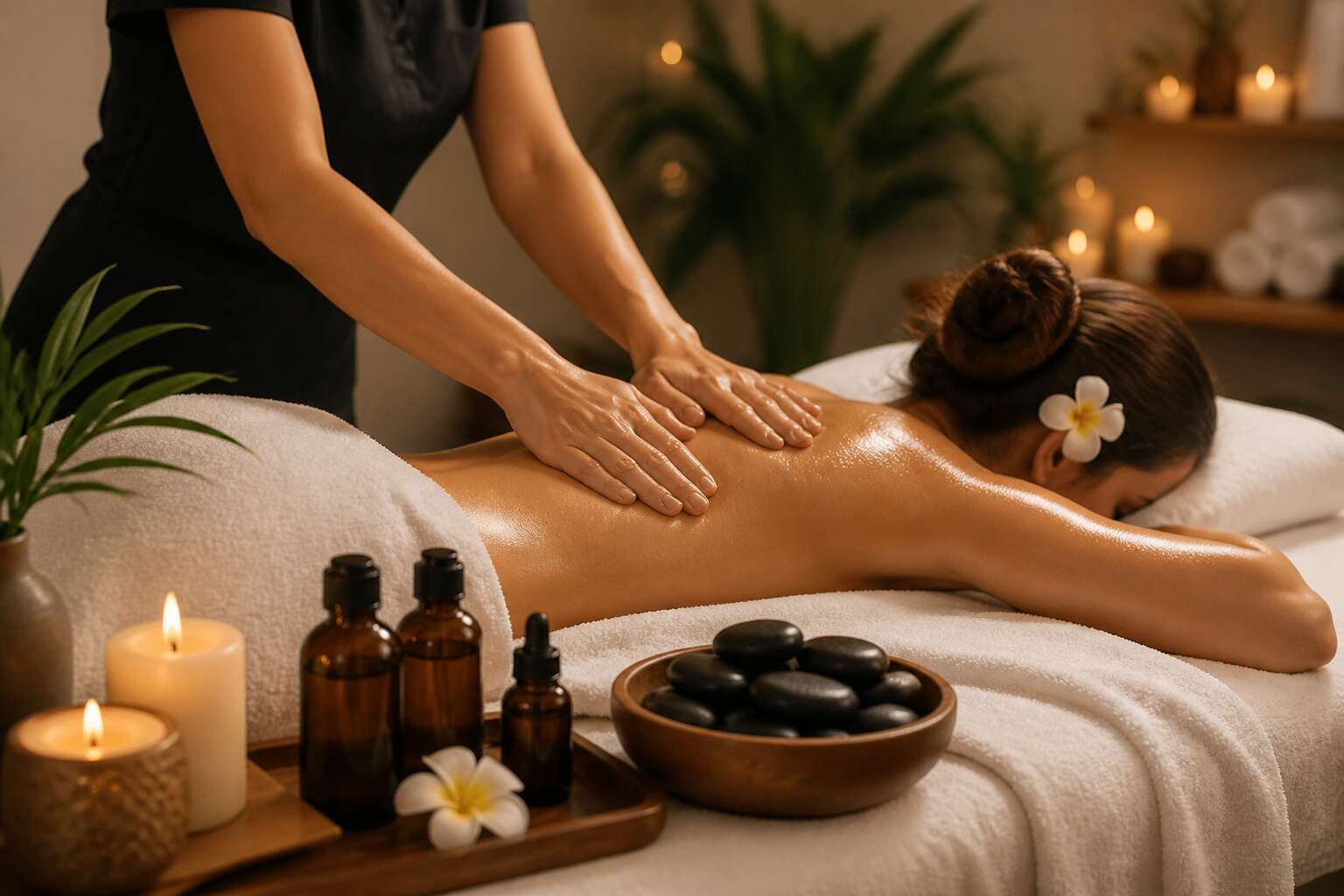
Helen Keller once called smell “a potent wizard.” That magic is the defining ingredient of aromatherapy massage. Unlike Swedish massage, which concentrates on mechanical muscle manipulation with long strokes and kneading, aromatherapy massage leans on botanical essences applied to the skin and released into the air.
The therapist chooses essential oils for their therapeutic properties and mixes them into a carrier lotion. As the hands work the tissue, volatile compounds cross the skin barrier while tiny droplets reach the nasal passages. The limbic system interprets those molecules immediately, giving the treatment an emotional weight that purely physical work seldom carries.
Typical oils include:
- Lavender for nervous tension
- Eucalyptus for congested sinuses
- Rosemary for general fatigue
The choice between aromatherapy massage or swedish massage is often a matter of emphasis. Many sessions merge the two, layering fragrant oils onto the classical stroke sequence for a hybrid experience.
Key Differences in Technique and Pressure
Watch a therapist’s hands in a Cape Town clinic for ten seconds and you will see the difference! Swedish massage uses the whole palm and forearm, driving with rhythmic pressure to reach deep muscle layers. Aromatherapy massage or swedish massage often get confused, but their mechanics diverge. The former employs lighter, slower strokes, letting essential oils penetrate the skin and trigger the limbic system. The latter focuses purely on tissue response.
Pressure is the clearest signal. Swedish demands firm, consistent force, often leaving a dull ache after the session. Aromatherapy never forces the muscle. It coaxes, using circular movements and effleurage with minimal depth.
- Swedish: medium to deep pressure, fast tempo
- Aromatherapy: light to medium pressure, slow tempo
Your body’s reaction guides the choice. If you need structural release, Swedish. If you need sensory calm, aromatherapy.
Core Similarities Between the Two Approaches
In the quiet theatre of touch, both modalities find common ground. Each session begins with a consultation, a whispered conversation about your body’s landscape. Both approaches honour the ritual of the intake, charting areas of tension before a single stroke is delivered. They are, at their core, hospitality rituals designed for restoration.
Whether you choose aromatherapy massage or swedish massage, the environment holds equal weight. The therapist curates the space: warm linens, muted light, and a soundtrack that lowers your heart rate. The shared foundation of the work lies in ensuring you feel safe enough to yield. Both practices use a warmed oil blend, often with a base of grapeseed or jojoba, to reduce friction on the skin. The pace may differ, but the following principles remain constant:
– Focus on the back, shoulders, and neck as primary zones of stress.
– Use of smooth, flowing strokes to maintain contact with the body.
– A final, quiet transition period for you to reorient before sitting up.
You are never passive in either practice. Your breath, your feedback on pressure, and your comfort level steer the therapist’s hands. The techniques diverge on mechanics, but they converge on one truth: the body heals better when the mind has somewhere safe to rest. This is the quiet pact made before the first note of music or bottle of oil is opened.
The Role of Essential Oils vs. Massage Strokes
The distinction between aromatherapy massage or swedish massage often blurs in conversation, yet the practical application splits down two lines; what you breathe and what the hands do. Aromatherapy massage relies on essential oils as the active agents, chosen for scent and skin absorption. Swedish massage depends on stroke mechanics, kneading tension away through pressure and rhythm.
To gauge which fits your needs, consider the core difference.
- Both modalities use a carrier oil, but the former adds botanical extracts that act on the nervous system.
- Swedish massage prioritises muscle depth, while aromatherapy prioritises the limbic response to scent.
- Session outcomes diverge; one recalibrates your emotional state, the other releases physical tightness.
Neither method excludes the other, and many therapists blend approaches. Knowing the basics ensures your expectations align with the actual work on the table.
Comparing the Health and Wellness Benefits
Stress and Anxiety Relief
One in three South Africans battles stress or anxiety each year! The choice between aromatherapy massage or swedish massage comes down to how your nervous system responds to scent versus touch. I have observed clients who find relief through the rhythmic pressure of swedish work, while others need the aromatic pull of essential oils to quiet their mind.
An aromatherapy massage or swedish massage both reduce cortisol, yet they operate through separate mechanisms. The oils engage the limbic system directly. The strokes stimulate pressure receptors that lower heart rate. Both pathways influence anxiety, but they address different layers of the stress response.
Consider these measurable outcomes:
- Lavender and bergamot ease subjective anxiety within twenty minutes
- Swedish massage lowers perceived stress for up to three days
Your therapist can guide you, yet the final decision depends on whether you wish to settle the mind or relax the body.
Muscle Tension and Pain Management
South Africans carry tension in ways they rarely notice until it demands attention. Desk posture, long commutes, and daily stressors settle into the shoulders, neck, and lower back, creating a persistent ache that becomes background noise. Choosing between aromatherapy massage or swedish massage for pain relief requires understanding how each modality reaches those knotted tissues.
Swedish massage excels at releasing superficial muscle tension through long, gliding strokes and kneading that warms the tissue and encourages blood flow. The therapist can adjust pressure to target specific problem areas, breaking up adhesions that restrict movement. For clients with chronic back pain or tight hip flexors from hours of sitting, this direct mechanical work often delivers the most immediate relief.
Aromatherapy massage takes a different route to pain management. While the strokes are gentler, the essential oils carry anti-inflammatory and analgesic properties. Eucalyptus and peppermint create a cooling sensation that distracts from deep ache. Marjoram and chamomile relax the muscle spasms that often accompany injury. These oils absorb through the skin and enter the bloodstream, working systemically rather than locally.
– Swedish massage provides deeper pressure for stubborn knots
– Aromatherapy targets inflammation through oil absorption
– Combined approach suits sensitive clients who find deep work uncomfortable
– Oil blends can be customized for specific pain patterns
The choice between aromatherapy massage or swedish massage for pain ultimately depends on the nature of your discomfort. Acute, localized tension responds to swedish technique. Widespread muscular fatigue and inflammatory pain benefit from aromatic compounds. Many therapists blend both approaches, using swedish strokes to warm the tissue and aromatic oils to extend the relief long after the session ends.
Circulation and Skin Health
Your skin is the largest organ you own, and it registers every change in circulation long before your muscles do. The decision between aromatherapy massage or swedish massage alters how your blood vessels and skin barrier respond to the session.
Swedish massage uses rhythmic strokes that mechanically encourage venous return. The pressure moves stagnant blood away from the extremities, delivering fresh oxygen to skin cells. This often produces a visible flush that fades as microcirculation improves.
Aromatherapy massage takes a gentler route. Essential oils like geranium and cypress stimulate capillary activity when absorbed through the dermis, while replenishing lipid barriers that keep skin supple.
– Swedish massage boosts oxygenation through mechanical pressure
– Aromatherapy oils nourish skin while improving capillary flow
– Both approaches leave skin visibly refreshed
The choice between aromatherapy massage or swedish massage for circulation depends on your skin’s sensitivity and how your body handles pressure. Your therapist can alternate methods, letting your skin dictate the pace.
Emotional Balance and Mental Clarity
Your emotional baseline after a massage says more than your shoulders do. Yet most people book based on muscle pain alone. That is a mistake!
The mental effects diverge. Swedish massage uses long, predictable strokes that let the brain disengage from directed thinking. I have seen clients leave with a clarity coffee cannot produce.
Aromatherapy massage or swedish massage matters here. Rosemary and basil oils stimulate the olfactory nerve, sharpening alertness instead of dulling it. They connect directly to the limbic system, bypassing rational thought.
- Swedish massage settles the mind through repetition
- Aromatherapy shifts emotional tone through scent
- Both reduce cognitive load differently
Alertness or stillness. That is the real choice.
Sleep Quality Improvement
Roughly one in three adults battles insomnia symptoms. Most never consider how their massage choice shapes sleep. The decision between aromatherapy massage or swedish massage matters here.
Swedish massage lowers physiological arousal through slow, rhythmic strokes. Heart rate drops. Core temperature regulates. The brain registers safety, a prerequisite for sleep onset. This suits people who wake wired but physically exhausted.
Aromatherapy massage employs sedative oils like lavender and chamomile to dampen the sympathetic nervous system. The olfactory route is ancient and fast. Scent signals reach the amygdala before conscious recognition.
Common sleep disruptors addressed:
- Fragmented sleep from nocturnal tension
- Racing thoughts that prolong wakefulness
- Inability to settle after an evening shift
Both approaches shorten sleep latency through separate mechanisms. One steadies the body. The other quiets the chemistry. That distinction matters when you track your sleep data.
Immune System Support
Immunity responds to touch and scent through separate pathways. Swedish massage mechanically flushes lymphatic fluid, clearing cellular debris and supporting the white blood cell cycle. The rhythmic pressure also lowers cortisol, which in excess suppresses immune activity.
For many South Africans, the choice between aromatherapy massage or swedish massage comes down to how they want their immune system engaged. Aromatherapy uses oils like tea tree and eucalyptus, whose volatile compounds interact with olfactory receptors and influence mucosal immunity. These signals can modulate cytokine activity without the physical manipulation of deeper tissues.
How to Choose the Right Massage for Your Individual Needs
When Aromatherapy Massage is the Better Choice
Your body speaks in subtle whispers, and the correct modality answers that quiet voice. When aromatherapy massage is the better choice, you already sense it: a resistance to deep force, a hunger for fragrant air, a day when the world has pressed too hard. Swedish massage works the sinew and bone with patient strength, yet it lacks the emotional layer that oils summon from the shadows. For those who carry tension in the spirit as much as the flesh, the scented path proves more direct.
- Your skin flares at heavy pressure or lotions without botanical character.
- You feel overwhelmed by noise, needing a session that involves the nose as much as the muscles.
- Your stress lingers after physical release, demanding a chemical shift.
These signs rarely appear in isolation. They gather like storm clouds, pointing you toward the oil-soaked table, where aromatherapy massage or swedish massage becomes a question already answered.
When Swedish Massage is the Better Choice
When Swedish massage is the better choice, the body announces itself with blunt insistence. The ache lives in the trapezius, the stiffness resists every scented candle on the shelf. I have watched clients lie on the table with arms crossed, needing the firm grammar of muscle work before any botanical note can matter. Aromatherapy massage or swedish massage, the decision comes down to whether your pain has a precise physical address.
Swedish massage pursues mechanical release. It flushes lactic acid, restores range of motion, and greets the sinew with directness. The scent of oil cannot untie a frozen shoulder; only sustained, deliberate pressure will do that.
- Pain centres on a specific trigger point
- Muscles resist passive stretching
- Recovery after physical work feels incomplete
Choose the strokes that find the knot, not the fragrance that merely brushes past it.
Important Considerations for Allergies and Sensitivities
The nose is often an afterthought on the massage table, but for one in ten South Africans with sensitive skin, the decision between aromatherapy massage or swedish massage gets made in the lungs, not the muscles. I have seen a single drop of clary sage undo a perfectly good session. The culprit is rarely the carrier oil. It is the volatile terpene, the organic compound that makes a fragrance feel alive. Before you book, check yourself.
Some essential oils cross the skin barrier with ease. Others trigger histamine responses that leave redness long after the stroke fades. Common offenders to consider:
– Lavender (linalool)
– Eucalyptus (certain varieties)
– Ylang-ylang
Your therapist can often work around these, but only if you speak up during intake. The massage table is a silent arena. Do not let it be a reactive one.
Matching Your Personal Wellness Goals to a Session
When deciding between aromatherapy massage or swedish massage, the real question is not about oils or strokes. It is about what your body is telling you after a week of Gauteng traffic and screen time. Your wellness goals are the reliable guide.
I have watched clients book a Swedish session for tight shoulders, only to discover they needed the sensory calm of aromatherapy instead. The distinction matters! Swedish massage addresses the physical body with deliberate pressure. Aromatherapy targets the nervous system through scent and slower touch.
Ask yourself:
- Are you tired in your muscles or in your mind?
- Do you want to leave feeling looser or lighter?
- Would a fragrant quiet room serve you better than deep work on a problem area?
Your answers dictate whether aromatherapy massage or swedish massage suits you. Match the session to the need, and the treatment does what it is meant to do.
Consulting with Your Massage Therapist for a Tailored Plan
Choosing between aromatherapy massage or swedish massage without a proper consultation is a gamble. Your body has specific needs, and a therapist cannot read your mind. This is why the intake process matters more than the oil selection.
Tell your therapist about your posture, stress levels, and any problem areas. Mention if you sleep poorly or spend long hours driving. These details shape a tailored plan that uses the right pressure and scent combinations for your situation.
- Describe how tension shows up in your body.
- List any allergies or sensitivities you have.
- Explain what you want from the session.
When you communicate clearly, the therapist can pivot between aromatherapy massage or swedish massage based on your responses. The result is a session that feels purposeful instead of generic. Trust their expertise and let the conversation guide the treatment.
Preparing for Your Session and Aftercare Essentials
How to Prepare Physically and Mentally Before Your Appointment
The anticipation of a session should begin long before your body meets the table. The hour you carve out for the appointment is a reward for a week that demanded everything from you. Approach the waiting room with a mind cleared of lists and deadlines. Hydrate in the hours beforehand, because supple tissue responds to the therapist’s approach with greater ease. Loose clothing is a simple kindness to yourself, allowing a seamless transition into the drape after the aromatherapy massage or swedish massage begins. The gentle hum of the room will do the rest, but your willingness to arrive unhurried is the first layer of the treatment.
After the final stroke, the work continues. The oils have penetrated the skin, but the nervous system needs time to absorb the quiet. Do not bolt from the room to a screen. Instead, take a moment to sit up slowly and feel the weight of your limbs. Your body is now a different vessel.
Here are a few simple guidelines for the hours that follow:
– Sip water to help flush the metabolic waste that the massage strokes have released.
– Rest if fatigue arrives, as it often does.
– Eat a light meal to replenish energy.
This period of stillness allows the benefits of the session to settle. Rushing will only dissipate the deep sense of calm. Respect the work that was done by giving yourself the same patience your therapist offered. Return to your routine gradually, carrying the stillness with you.
What Happens During an Aromatherapy Massage Session
The table is warm. The oils are blended. Your therapist asks about pressure preferences before the first stroke lands. For a session of aromatherapy massage or swedish massage, the sequence rarely varies: long effleurage movements open the tissue, then deeper techniques address specific areas of holding. Essential oils are introduced gradually, letting your sense of smell ease into the experience rather than overwhelm it.
The stillness after the final stroke is part of the treatment. Do not rush to rise. Give your nervous system time to register what has shifted.
- Sip water to support your body’s natural drainage.
- Keep a light blanket nearby, as circulation changes can cool you.
- Stand slowly and let your balance return before dressing.
The hours after the appointment carry the same weight as the hour on the table. Hydration and rest allow the effects to settle deeper into your system.
What Happens During a Swedish Massage Session
Preparation for a Swedish massage session starts with honesty. Tell your therapist about current injuries or stubborn knots before you settle onto the table. Arrive with clean skin and a light stomach. A full bladder or a heavy lunch will only distract you from those long, sweeping strokes.
Aftercare for a swedish massage involves letting the work settle. Your nervous system just processed deep pressure, so give it time. Drink water steadily. Avoid vigorous exercise for the next few hours. If warm oil was used, keep your skin protected from direct sun.
- Rest for at least an hour before returning to normal tasks
- Take a lukewarm shower rather than a hot one
- Stretch gently to maintain the new range of motion
The choice between aromatherapy massage or swedish massage changes how you prepare. Aromatherapy demands patience with scent, while Swedish massage asks you to focus on physical release. Either way, the table is a pause from daily noise. Sip your water and stand slowly. Give yourself the same courtesy you gave the therapist.
Post-Massage Aftercare Tips for Maximum Benefits
For aromatherapy massage, preparation shifts toward your senses. Skip heavy lotions and strong perfumes so the essential oils can work without competing scents. If you are unsure about a particular blend, ask for a patch test on your inner wrist. Arrive hydrated but not full. Your sense of smell responds better when your body is at ease.
After the session, the oils remain active on your skin. Leave them for a few hours to allow continued absorption through the pores. If the texture bothers you, rinse with lukewarm water, but avoid hot showers that strip the oil prematurely.
- Keep your hands and forearms lightly stretched
- Avoid heavy fragrance environments for the rest of the day
- Sip water slowly rather than gulping
The choice between aromatherapy massage or swedish massage changes your post-session routine. Scent lingers on the skin, while deep pressure settles into the muscle layers. Give yourself permission to rest either way.
Signs You Should Reschedule or Avoid a Session
Your therapist does not need a fever to walk through the door. Contagious conditions, active skin infections, or fresh injuries mean rescheduling, not pushing through. Essential oils can spread certain irritations, so honesty with your therapist matters more than politeness.
Preparation for aromatherapy massage or Swedish massage starts with what you ingest. Caffeine dulls the relaxation response. Alcohol thins the blood, making deep pressure riskier. Eat lightly two hours prior. Arrive with clean skin, free of heavy moisturisers that block oil absorption.
Reschedule if any of these apply:
- A fever or flu symptoms
- A contagious skin condition
- A fresh injury or severe inflammation
Your therapist prefers a cancelled booking over a complicated one.
Cost, Frequency, and Integrating Both Into Your Wellness Routine
Average Cost Comparison for Both Treatments
Costs across South African spas vary considerably. A single aromatherapy massage or swedish massage in Johannesburg or Cape Town ranges from R450 to R950 for sixty minutes. Premium venues with bespoke oil blends charge more; home-based therapists often undercut the spas, though their training and product quality deserve scrutiny.
- Day spa rates include use of steam rooms and lounges.
- Mobile therapists add travel fees to the base price.
- Membership packages reduce the per-session cost.
Frequency depends on your tension levels. A monthly ritual sustains relaxation, while biweekly sessions address stubborn stress. Integrating both into your wellness routine means alternating the two modalities, letting the oils and the strokes serve different weeks. The rhythm matters more than the label.
Recommended Session Frequency for Long-Term Results
Your budget inevitably shapes how often you can book aromatherapy massage or swedish massage, but consistency matters more than volume. Match your cadence to your stress patterns, not to an arbitrary weekly slot. A monthly appointment sustains general wellbeing; biweekly sessions target stubborn tension that builds up in the neck and shoulders.
Consider these scheduling approaches:
- Monthly: maintenance and relaxation
- Biweekly: recovery from chronic tension
- Alternating weeks: combine both modalities in rotation
Alternating between the two keeps your body responsive. Swedish massage lengthens tight muscles through deep strokes, while the essential oil component of the aromatherapy approach addresses the nervous system. The rhythm of your sessions, not the label, determines long-term results!
Alternating Between Aromatherapy and Swedish Massage
Cost shapes the cadence more than intention does. Across South African spas, aromatherapy massage or swedish massage sessions land in a similar price band, usually R400 to R900. That parity removes the financial excuse for choosing one over the other. What matters is rotation.
Alternate your bookings! I have seen clients stall precisely when they stick to one treatment. Let the essential oils handle your nervous system one week, then let the long strokes release deep fascia the next. This pattern prevents your tissues from adapting to a single stimulus.
- Week one: aromatherapy massage for stress regulation
- Week two: swedish massage for muscle recovery
- Week three: repeat the cycle
Your wallet stays predictable. Your progress does not stall. The decision between aromatherapy massage or swedish massage becomes irrelevant when both have a place on your calendar.
How to Communicate Your Preferences to Your Therapist
Cost shapes habit more than hope. When you book aromatherapy massage or swedish massage, your budget should feel steady. Set a recurring line for bodywork, one session every ten days, and honour that slot.
Frequency matters less than consistency. A single booking every few months barely registers. Regular touch, even spaced three weeks apart, keeps your nervous system familiar with release.
Integrating both into your wellness routine starts with honest conversation. Tell your therapist what your week looked like. If your shoulders carried deadlines, ask for swedish work. If your mind raced, voice that and let scent guide the session.
A clear handoff covers the essentials:
- the dominant sensation, tension or anxiety
- the pressure your body can receive
- the oil blend you are comfortable with
The therapist adjusts from there.
Combining Both Approaches in a Single Session
The real cost of bodywork is not the rate, it’s the gap. A single aromatherapy massage or swedish massage every few months barely registers. A recurring session every ten days builds a nervous system that expects release.
Frequency matters less than consistency. Three weeks between visits still counts. Six months does not.
Combining both approaches in a single session works when you let the therapist sequence:
- swedish massage first, to address the tight tissue
- aromatherapy massage to finish, once the nervous system settles
You don’t direct it, you describe it.


0 Comments