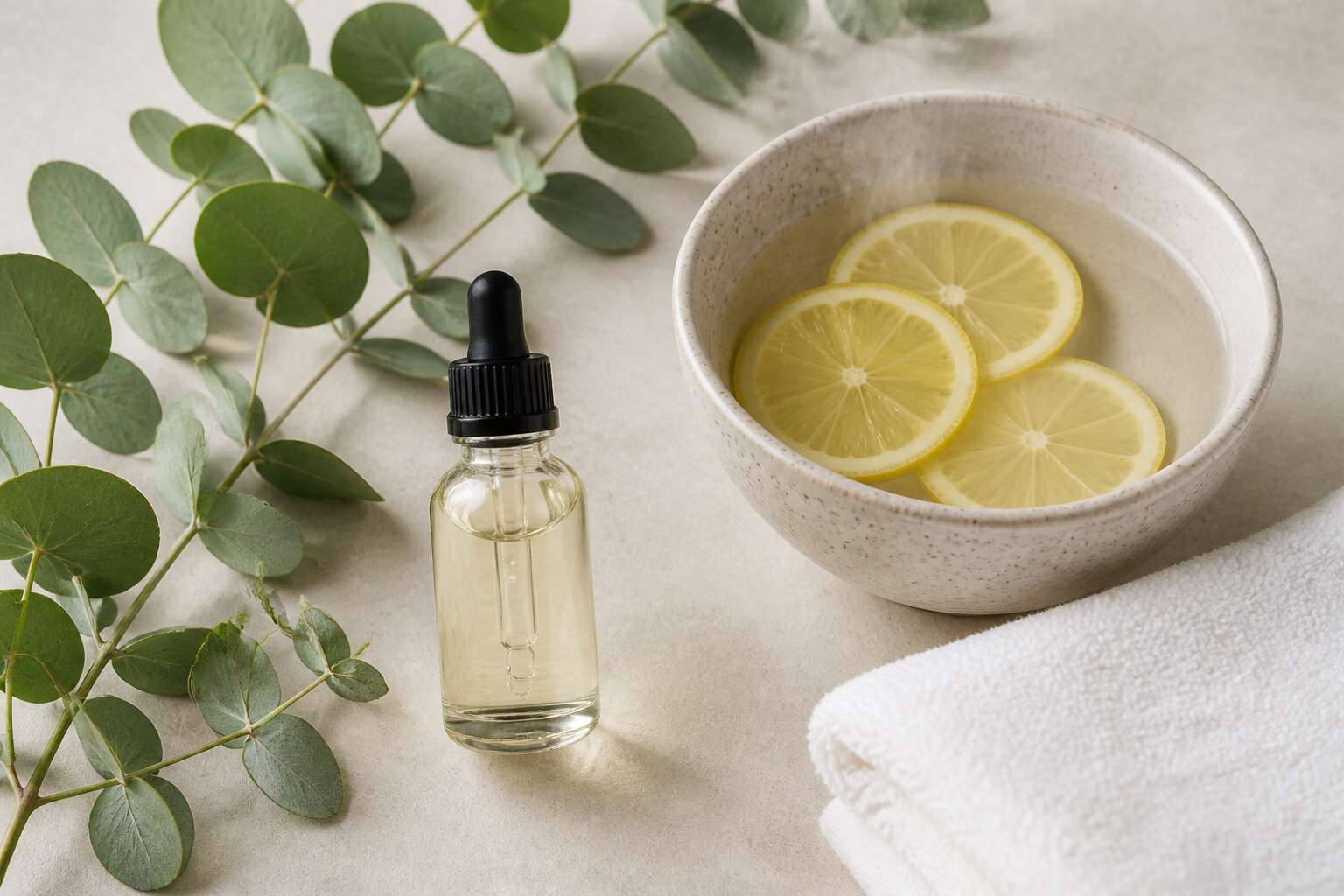
Understanding Allergies and How Aromatherapy Can Help
The sudden, sneezing ambush of allergy season can leave even the most resilient person feeling utterly drained. With around 20% of South Africans experiencing allergic rhinitis, the quest for relief is a very personal one. This isn’t merely about a runny nose; it’s a systemic inflammatory response that can cloud your focus and sap your energy. Many are turning to nature’s pharmacy for support, specifically to explore what aromatherapy is good for allergies as a complementary approach to conventional care.
Aromatherapy works by using concentrated plant extracts to communicate with the limbic system, the brain’s emotional and memory center. This communication can trigger physiological responses, like reducing inflammation or calming an overactive immune reaction. Certain essential oils possess antihistamine-like properties, while others are potent decongestants or anti-inflammatories. For example, a compound called 1,8-cineole, found in Eucalyptus, is known to reduce respiratory inflammation.
To understand the practical application, it helps to consider the specific allies you can call upon:
– Peppermint contains menthol, which helps to open airways and break down mucus.
– Lavender is a sedative for the nervous system, reducing stress which can exacerbate symptoms.
– Lemon oil acts as a natural cleanser and may help to clear congestion.
– Tea tree oil offers powerful antimicrobial support, addressing secondary infections.
The beauty of using these botanicals is their versatility. You can blend them into a carrier oil for a soothing chest rub or use them in a diffuser to create a restorative atmosphere in your home. This is the heart of understanding what aromatherapy is good for allergies; it’s about creating a holistic shield rather than just silencing a symptom. It encourages you to slow down and breathe, turning your personal space into a refuge from the relentless pollen and dust particles that surround you.
Top Essential Oils for Allergy Symptoms
One in five South Africans lives with allergic rhinitis, yet few consider the humble essential oil bottle a frontline defense. When it comes to what aromatherapy is good for allergies, the answer sits in specific oils that calm the body’s overzealous response to pollen and dust.
Lavender acts as a gentle sedative for an irritated nervous system. Eucalyptus offers a sharp, cooling breath of relief when congestion takes hold. For a more targeted approach, consider these options:
- Peppermint, to open clogged airways with its menthol punch.
- Tea tree, a natural antimicrobial that supports clear sinuses.
- Chamomile, for its soothing anti-inflammatory effects on swollen membranes.
Each oil works by interacting with the brain’s limbic system, which influences physical responses we often cannot control. Your allergy symptoms interweave with your emotional state. Aromatic intervention speaks to both directly. This explains precisely what aromatherapy is good for allergies, a space where modern stress meets ancient botanical wisdom.
Methods of Using Aromatherapy for Allergies
There is a particular cruelty to Highveld spring, when the air itself seems to weaponise pollen. You sneeze, your eyes water, and the world blurs into a miserable haze. Eucalyptus oil, diffused deliberately, can offer a sharp, clean counterpoint to that seasonal assault. I find the steam from a bowl of hot water, infused with a few drops, works best for a blocked nose. It is a sucker punch of relief.
The question of what aromatherapy is good for allergies often leads to these potent volatiles. Reach for oils that ease respiratory friction, rather than those that perfume your socks. My personal arsenal includes:
– Lavender, a master of calm.
– Peppermint, for a cooling, clear-headed lift.
– Tea tree, to help keep things sterile.
Alternatively, cold diffusion in a bedroom fan can disperse these molecules constantly. This passive approach lets the remedy do its quiet work while you sleep, ensuring you wake up less like a hay fever victim and more like a functioning human.
Safety Considerations and Precautions
A single drop of essential oil carries immense therapeutic potential, but that power requires deep respect. When exploring what aromatherapy is good for allergies, the same oils that soothe your system can provoke an unexpected reaction. The irony is not lost on me; relief and irritation share the same aromatic pathway. Your skin and lungs act as gatekeepers, and their response is rarely predictable, especially during a flare-up. Treat every new oil as an untested acquaintance, not an old friend.
The allergen paradox is a real phenomenon. Lavender and eucalyptus are celebrated for clearing sinuses, yet they contain compounds that can trigger histamine release in sensitive individuals. This happens when your body misidentifies the oil’s protein structures as hostile invaders. Start with a rigorous patch test on your inner forearm, diluting one drop of oil in a tablespoon of carrier oil. Wait twenty-four hours and watch for redness. If your skin remains calm, you may proceed with caution, but never assume a clear patch grants you universal immunity.
– Perform a patch test before every new oil, even if you have used it successfully in the past.
– Avoid oils derived from plants you are allergic to, such as ragweed or marigold.
– Keep a log of your reactions to track patterns.
– Consult an allergist before using aromatherapy if you have asthma.
– Purchase oils from reputable organic sources to avoid pesticide residue.
People with allergic asthma face higher stakes. Steam inhalation with eucalyptus can open airways for one person, while for another it triggers bronchospasm within minutes. The humidity itself may aid breathing, but the volatile compounds can settle in inflamed tissue and worsen the response. Use a diffuser in a well ventilated room rather than direct steam. Limit sessions to fifteen minutes and observe your breathing patterns for an hour afterward. The subtlety of your body’s messaging matters.
Pregnancy and extreme age require additional prudence. Fetuses, infants, and the elderly metabolize compounds differently, with underdeveloped or diminished liver enzymes. A wintergreen oil that calms an adult could stress a child’s system. Consider carrier oil dilution at half the standard rate for these groups. Additionally, the South African sun intensifies phototoxicity with citrus oils; bergamot and lemon can cause painful burns when skin is exposed to daylight after application. Leave these oils for evening use only. Scent binds to memory, but safety binds to discipline.
Complementary Practices to Enhance Aromatherapy for Allergies
Understanding what aromatherapy is good for allergies starts with choosing the right oils, but the full effect depends on how you use them. A bowl of steaming water with eucalyptus oil pushes volatile compounds deeper into congested airways. I have found this more effective than any over-the-counter spray.
Pairing oils with a saline nasal rinse also works well. The rinse flushes out pollen and dust, while the essential oil soothes the irritated lining. Given South Africa’s high pollen counts, this combination is a practical way to survive spring.
- Run a cold-air diffuser in the bedroom overnight for slow release.
- Apply diluted peppermint oil to the temples for sinus pressure.
- Use a HEPA filter alongside your diffuser to trap airborne allergens.
These complementary habits make the diffuser work harder, and the results show up quickly.


0 Comments