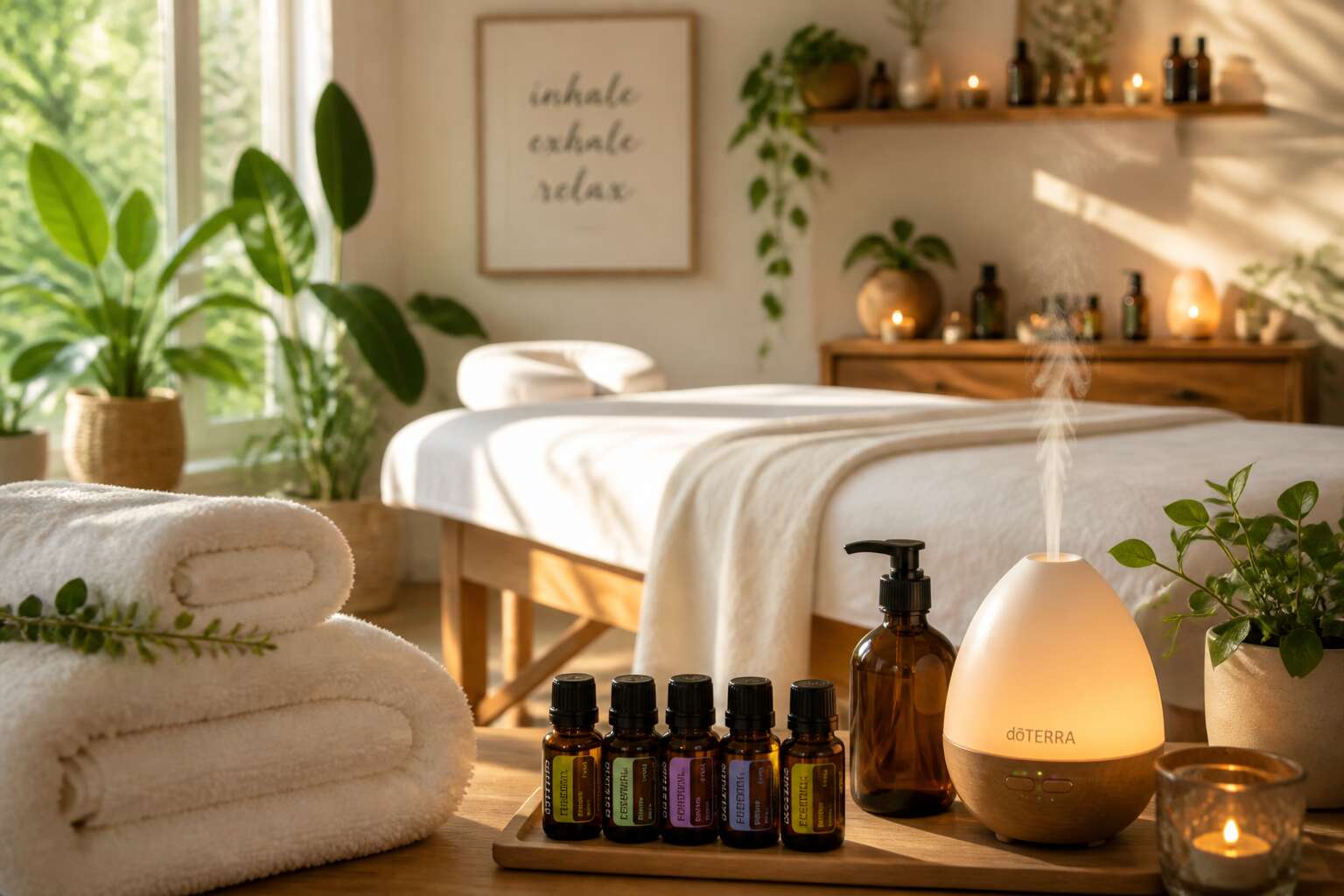
Understanding Aromatherapy and Its Benefits
What Is Aromatherapy?
Essential oils have been used for centuries, yet their precise mechanisms still surprise researchers. Aromatherapy is the controlled use of these volatile plant extracts for therapeutic benefit. When you search for aromatherapy near me, you are looking for a practice that engages the olfactory system and the skin.
The benefits arise from chemical compounds like linalool and eucalyptol. These molecules bind to receptors in the nasal cavity, triggering responses in the limbic system. A 2017 study noted a 25 percent reduction in stress scores after lavender inhalation. That is a meaningful effect!
- Inhalation through a diffuser or steam
- Topical application with a carrier oil
- Compresses for localized pain
Each approach requires precise dilution and timing. For South Africans, local essential oils from rose geranium and Cape chamomile offer unique profiles. When you seek aromatherapy near me, the practice continues to rely on measurable biochemistry.
Key Essential Oils and Their Uses
One in three South Africans has used an essential oil in the past year! Understanding aromatherapy and its benefits goes beyond pleasant scents. The therapeutic value emerges through consistent, measured application. For those searching aromatherapy near me, the advantage lies in personalised blends that address insomnia, muscle tension, or respiratory congestion.
Key essential oils and their uses show practical applications: lavender for sleep support, eucalyptus for clearing airways, and tea tree for skin irritation. Each oil carries distinct active constituents. Local buchu adds a minty undertone for sinus relief. Consider this daily reference:
- Lavender: 3 drops in a warm bath for evening calm
- Eucalyptus: 2 drops on a tissue for inhalation
- Tea tree: 1 drop diluted for blemish care
Professional therapists recommend rotating oils to prevent sensitisation. I always recommend asking about carrier oil ratios and session duration.
Scientific Evidence for Aromatherapy
Scientific evidence for aromatherapy is finally catching up with what spa-goers have long observed. Inhaling essential oils sends signals directly to the amygdala and hippocampus, which govern emotion and memory. That cascade explains why lavender lowers self-reported anxiety in trials and peppermint improves reaction time. The evidence is becoming harder to dismiss.
I will be honest: the literature still has gaps. Small samples and placebo effects complicate the research. Yet a handful of controlled studies points in one direction.
- Essential oils like clary sage reduce cortisol levels.
- Odour molecules reach the brain faster than other sensory inputs.
- Inhaled oils influence mood even when a person cannot name the scent.
Anyone typing aromatherapy near me deserves a practitioner who leans on chemistry, not catalogue descriptions. The science is young, but it is growing.
Common Conditions Treated with Aromatherapy
The most compelling reason to explore aromatherapy near me might be the shift in how we handle everyday stress. People are tired of being told to relax. They want a tangible tool they can inhale, one that fits into a busy Cape Town morning or a quiet Johannesburg evening. Aromatherapy offers that practicality. It is not a mystery ritual, but a sensory intervention with a legitimate physiological footprint.
Benefits crystallize when you examine what oils actually do. Lavender is not merely calming, it lowers heart rate variability in several studies. Eucalyptus can clear a head stuffed with congestion. Bergamot has shown promise in lifting low mood scores in clinical settings.
Common conditions treated with aromatherapy include:
1. Anxiety and chronic stress
2. Sleep disturbances and mild insomnia
3. Muscle tension and joint discomfort
4. Headaches and migraines
5. Respiratory congestion
Each condition responds to a specific chemical constituent in the plant oil. That is why generic blends often fail. Diluted peppermint cools inflamed sinuses, while roman chamomile targets nerve-related tension. The practical benefit of searching for aromatherapy near me is finding a clinician or therapist who understands this distinction. They assess your baseline, ask about your routine, then prescribe a protocol for your actual symptoms, not a magazine list.
How to Find Quality Aromatherapy Services in Your Area
Researching Local Practitioners
A single drop of rose oil can trigger anaphylaxis if mishandled. That is why finding legitimate aromatherapy near me demands more than a quick search. I have learned to bypass glossy websites and insist on verifiable training.
Start with national registers, such as the Aromatherapy Association of South Africa. Ask about clinical hours and supervision. A practitioner will discuss contraindications and adjust sessions to your health history.
- Confirm certification from an accredited institution.
- Request references or documented case studies.
- Inspect their oil sourcing and hygiene standards.
Do not accept vague promises. The right practitioner transforms your experience, but only after thorough vetting.
Checking Credentials and Certifications
After vetting the basics, you must scrutinise credentials. A legitimate aromatherapy near me practice will have documentation from recognised bodies like the Aromatherapy Association of South Africa. Certifications should align with international standards. Ask for proof of continuous education, because oils and safety protocols evolve. Also inquire about liability insurance, as it signals professionalism. Here is what to check when verifying a practitioner’s qualifications:
– Confirm the issuing institution is accredited.
– Verify the practitioner’s scope of practice.
– Request evidence of supervised clinical hours.
– Check if they participate in peer reviews.
These steps separate genuine expertise from superficial training. Ignoring them risks ineffective sessions or adverse reactions. Your health warrants this level of scrutiny. The best aromatherapy near me providers welcome such questions.
Reading Reviews and Testimonials
The review pages are dim. Testimonials seldom reveal truth directly. When I search for aromatherapy near me, I read for specificity. The practitioner’s tone, the room’s temperature, the oil’s scent on skin. These details populate authentic accounts. Glowing generalities have little value.
Look for these patterns in the feedback:
- Consistent remarks about the therapist’s attentiveness.
- References to aftereffects like sleep quality or stress reduction.
Perfect unanimity among reviewers is a suspicious sign. Real sessions stir varied impressions. The occasional complaint about a brisk voice or a cold room might be more honest than many five star ratings. Use that honesty to filter your choices.
Visiting Facilities or Salons
A studio’s online presence can only reveal so much. The true test begins when you step through the door. Your nose will tell you more than any website copy ever could. A quality space carries a clean, subtle scent, not a heavy mask of artificial fragrance. If the air feels thick or chemical, consider that a warning sign.
When you visit a facility, pay attention to the ambient details. The treatment room should offer a controlled temperature and a comfortable, secure couch. Observe how the therapist prepares the space. Do they wash their hands in your presence? Do they explain the blend they are about to use? These small actions speak to a professional standard of care.
A genuine consultation is a non-negotiable part of any visit. The practitioner should ask about your medical history and current stress levels before you ever lie down. They should also outline the expected sensation of the oils on your skin. If they simply point to a price list without a conversation, the service is likely transactional.
– Does the practitioner ask about allergies or sensitivities?
– Is the intake area quiet and private?
– Are the essential oil bottles clearly labelled and stored properly?
– Does the atmosphere feel rushed?
I have walked into rooms that smelled of stale linen and others that smelled of clinical disinfectant. Neither is inviting. The best places feel like a controlled retreat, where the light is adjustable and the noise from the street is muffled. Trust your senses here. For anyone searching for aromatherapy near me, the physical space is a direct reflection of the therapist’s ethics and attention to detail.
You should also check the general hygiene of the salon or clinic. Look at the condition of the towels and the state of the floors. A cluttered environment suggests a cluttered practice. The equipment, from diffusers to storage bottles, should appear well maintained and clean. A therapist who respects their tools will likely respect their client’s body and time. Take a moment to pause and listen to the ambient noise level, because the room should be a sanctuary from the busy street outside, a place where the healing oils can do their work without distraction.
Asking for Referrals from Healthcare Providers
A 2019 survey by the International Federation of Professional Aromatherapists found that over 60% of clients discovered their regular therapist through a personal recommendation. This statistic underscores a truth that online searches often miss. When you type “aromatherapy near me” into a browser, the results are algorithms. When you ask a doctor for a referral, the result is accountability.
Your general practitioner or physiotherapist sits in a unique position of trust. They see the full picture of your health, including your stress responses. They have no financial incentive to recommend a specific spa or clinic. A referral from a medical professional points you toward a practitioner who has integrated aromatherapy into a broader healthcare approach. Have you tried asking your gynaecologist or a dermatologist for a name? These specialists often work alongside trained clinical aromatherapists for post-operative care. If you have a specific condition, the right professional can guide you to a therapist who understands the safe interactions between essential oils and prescription medication.
Here is what you should consider when you take this referral route:
1. The practitioner’s credentials should match the severity of the condition they are treating.
2. The referral should include a specific name, not just a clinic.
3. The therapist should be willing to communicate back with your doctor, should any questions arise.
A referral does not absolve you of your own research. It simply gives you a starting point that is far more reliable than a curated online list. The doctor has observed how this therapist operates under clinical pressure. They know if the practitioner is punctual, hygienic, and measured in their claims. This type of validation is impossible to glean from a website. When you do call the referred practitioner, mention who sent you. This creates a transparent triangle of communication. It signals to the therapist that you are serious about your health. The search for “aromatherapy near me” becomes less of a gamble and more of a targeted inquiry. You are no longer a stranger looking for a service. You are a patient following a medical breadcrumb trail to a professional who has been vetted by someone you already trust.
What to Expect from a Typical Aromatherapy Session
Initial Consultation and Health Assessment
“Smell is the soul’s first language,” wrote the poet, and your first aromatherapy session begins with a translator. The initial consultation is less a clinical interview and more a sensory biography, where the practitioner listens for the story your body tells. This health assessment is vital, as it determines the botanical roadmap ahead. The therapist will ask about your sleep patterns, stress levels, and any chronic conditions, aiming to understand the root of imbalance rather than just the symptom.
Expect a tactile and often quiet experience. The practitioner may examine your pulse, tongue, or skin texture, depending on their holistic training. They will also review your lifestyle and diet, seeking clues that lab work might miss. To guide this discovery, the therapist might explore:
1. Your current medications or allergies that could react with specific oils.
2. Your emotional state, to discern if anxiety or fatigue is the primary trigger.
3. Your olfactory preferences, as your instinctive likes and dislikes often highlight what your body craves.
This dialogue is a partnership. By the end, you will not have a simple prescription, but a personalised blend. The practitioner will explain the chosen oils, their properties, and how to use them at home, ensuring you feel empowered rather than passive. When searching for an aromatherapy near me, this thorough, preparatory step is the hallmark of a dedicated professional. It is a quiet moment of diagnosis before the fragrant journey truly begins.
Customized Essential Oil Blends
A typical session unfolds with a quiet intention. The room is dim, almost conspiratorial. Smells, those unspoken cues, begin to drift across the air. The practitioner does not merely open a cabinet of bottles; they curate a solution in motion. You might watch as they select specific absolutes, their movements deliberate. This is not a passive experience. It requires your attention and a willingness to communicate honestly about what you feel, physically and emotionally.
The process of creating a personalized blend is the true alchemy. It is here that your specific needs become tangible. The practitioner considers your lifestyle and the climate you live in, a factor often overlooked in generic guides. They might blend a calming oil with a stimulating one, aiming for a balance that feels neither sedating nor agitating. The session is structured but fluid:
– The practitioner smells each oil with you, noting your reaction.
– They adjust ratios based on your immediate feedback.
– They prepare a small batch for you to test on your skin.
– They document the blend for future adjustments.
The final product is yours. A small amber bottle containing a formula for your specific situation. The true art lies in the customization. When you search for aromatherapy near me, you are looking for this level of individual attention, not a one size fits all solution. The response is immediate on a sensory level, but the deeper effects unfold over days. The session ends with a clear, simple understanding of your routine. You leave with more than just a scent; you leave with a tool designed only for you.
Administration Methods (Inhalation, Massage, Baths)
Your first session might start with a simple experiment. You inhale a few drops from a tissue, then close your eyes. This is inhalation, the most direct route to the nervous system. Some practitioners use a diffuser or a steaming bowl. The effect builds slowly, so you stay with the scent for several minutes.
Massage follows a different rhythm. The practitioner blends a carrier oil with a chosen essential oil, then works it into your shoulders or back. The skin absorbs the compounds, and the touch itself shifts tension. Mention any areas of discomfort beforehand.
Baths offer a third route. A few drops are added to warm water, not boiling. The steam carries the aroma, while your pores open. When you search for aromatherapy near me, expect a session that includes one or more of these methods, tailored to your stated needs.
Duration and Frequency of Sessions
Ever wondered if sixty minutes of sniffing expensive plant water is actually worth the effort? Most first timers book a session expecting either a miracle cure or a glorified candle party. The truth sits somewhere in between, and the timing follows a logic all its own.
A typical aromatherapy session runs anywhere from forty to sixty minutes, though some practitioners offer condensed thirty minute refreshers. The first ten minutes usually involve catching up on how your body has been behaving since the last visit. This matters more than it sounds, because stress patterns shift weekly. You might find yourself peeling off layers of tension you did not even realize you were carrying. The middle chunk of time is where the actual work happens, using the methods we covered earlier. The final stretch often involves sitting quietly, letting the oils settle, and reorienting yourself to the outside world.
Frequency of sessions depends entirely on what you are chasing. Someone using aromatherapy near me for acute insomnia might need two visits per week initially. A person managing chronic back tension could book fortnightly maintenance slots. There is also a school of thought that suggests seasonal tune ups, like servicing a car before winter. Your practitioner should give you a rough roadmap after the first session, though most will encourage you to listen to your own body rather than follow a rigid calendar.
– Acute issues generally require weekly sessions for a month
– Chronic conditions often respond well to biweekly appointments
– General wellness seekers might only need one visit per season
– Some practitioners recommend pairing sessions with home self care rituals
The real answer to frequency questions is frustratingly simple: as often as your budget and schedule allow. A single session can provide relief, but the compounds build on each other over time. Think of it less as a one off event and more as a cumulative practice. If you are searching for aromatherapy near me, you might start with one session, gauge how you feel afterwards, and then decide whether to return in a week or a month. Many clients find that the benefits become more pronounced by the third or fourth visit, which is why most practitioners offer package deals. Don’t feel pressured into a long commitment upfront. One session gives you a solid taste of whether this modality speaks to your particular constitution or leaves you completely underwhelmed.
Potential Side Effects and Precautions
Two hundred and fifty thousand South Africans search for local wellness services every month, yet few understand the ritual awaiting them at the other end of that search. The experience of aromatherapy near me unfolds in layers, beginning with an olfactory handshake. Your practitioner will present several vials, each containing a concentrated botanical essence. As you inhale each one, you might feel a surprising emotional response, a sudden memory, or a subtle shift in your breathing. This is the assessment phase, where your nose guides the blend selection.
The treatment area itself often resembles a quiet sanctuary where the lighting is dimmed and the air carries a faint trace of the oils. You will be asked to remove your shoes, but hardly anything else unless you have booked a massage integration. Most sessions are performed fully clothed. The practitioner might place a warm compress infused with specific oils on your shoulders or simply hold a diffuser near your face for several slow breaths. The quiet itself can feel confronting at first, particularly for those who live on high alert. Give it a few minutes. The olfactory system processes scent directly through the limbic system, which means your emotional state responds before your analytical mind catches up.
The potential side effects are worth understanding before you arrive. Essential oils are potent compounds, not gentle placebos. The most common reactions include:
– Mild skin irritation, which appears if an oil is applied without proper dilution
– Lightheadedness or dizziness during inhalation, particularly with peppermint or eucalyptus
– A temporary increase in mucus production as the body processes respiratory oils
– Slight nausea if the oils are inhaled on a full stomach or in a very concentrated form
– Feeling emotionally raw or tearful after a session that unlocks stored tension
These responses typically fade within a few hours and should not be interpreted as a bad sign. They indicate the oils have activated a response your body needed to process. The more serious risks involve allergic reactions, which are uncommon but possible. Always mention known allergies during your initial consultation, especially nut allergies, since many carrier oils come from nuts. Asthmatics should also exercise caution, as dense oil vapor can trigger bronchial constriction. A competent practitioner will ask about these conditions before touching a single bottle.
Perhaps the most overlooked consideration is how aromatherapy near me interacts with your existing medication routine. Lavender and clary sage, for instance, can amplify the effects of sedatives or antidepressants. If you take anything for blood pressure, thyroid function, or epilepsy, disclose this clearly in your health form. The ethical practitioner will adjust their blends accordingly, not dismiss your concerns. You also need to consider pregnancy status, as certain oils, particularly sage, juniper, and rosemary, have historical associations with uterine stimulation and are generally avoided during the first trimester. Honesty during this intake stage is not paranoia. It is the difference between a beneficial session and a regretful afternoon.
Cost Considerations and Insurance Coverage
Average Pricing for Aromatherapy Sessions
When you search for aromatherapy near me, the first question is often cost. Sessions in South Africa typically range from R250 to R650 per hour, depending on the practitioner and location.
From my experience, insurance coverage is a grey area. Most medical aids classify aromatherapy as complementary, so reimbursement usually requires a doctor’s referral. Some schemes offer limited benefits under wellness programs.
Common price points:
- Single 60 minute session: R300 to R500
- Package of five sessions: R1,250 to R2,200
- Add on for massage: R100 to R150
Always confirm with your medical aid before booking, as policy terms differ.
Package Deals and Membership Options
Package deals and membership options introduce a fresh layer of cost calculation. Insurance rarely bends to accommodate bundles, so you may pay out of pocket for these, even when single sessions earn partial reimbursement.
A five session package looks prudent, but I have learned to check the expiry terms before committing. Membership models, in contrast, spread the expense across months, which suits those who prefer a standing appointment that insurance can sometimes support.
- Confirm whether the package allows you to swap oils between visits.
- Ask if the membership fee applies toward a massage add on.
- Verify if unused credits transfer across branches.
The cleverest aromatherapy near me arrangement is one that aligns your budget, your calendar, and your medical aid’s mood!
Insurance Reimbursement Possibilities
Understanding what aromatherapy near me truly costs means looking beyond the therapist’s table. A single session may include the consultation, the blended oils, and the treatment itself, and each element carries its own price. I have found that many practitioners charge separately for the initial assessment, which can be a surprise if you expect a bundled rate.
Insurance reimbursement possibilities depend on your medical aid scheme and the practitioner’s registration. Some schemes cover aromatherapy under the prescribed minimum benefits for specific conditions, but only when a doctor refers you. Others offer a limited annual amount for complementary medicine.
Ask your insurer directly about these details:
- whether a referral letter is mandatory
- which therapist qualifications they recognise
- how many sessions are covered per year
Keep every receipt and session note, because claims often demand detailed documentation. Without them, your reimbursement might disappear into the administrative ether.
Tips for Budget-Friendly Choices
Budgeting for wellness is a delicate art, and aromatherapy near me often feels like a luxury line item. One of the smartest ways to manage costs is to control the variables within your control. For instance, the price of your session is heavily influenced by the carrier oils used, as jojoba and sweet almond are not interchangeable in price. Asking your practitioner to use a simpler base oil for your blend during the massage can reduce the material cost without sacrificing the therapeutic benefit of the essential oils themselves.
Insurance remains a fickle beast, but strategic planning can tame it. Many South African medical aids require you to exhaust your savings account before they consider the chronic benefits. This means the timing of your session is crucial. Scheduling your aromatherapy near me appointment at the start of your benefit year, once your savings are depleted, might trigger a higher reimbursement rate from your gap cover or hospital plan.
When navigating this administrative maze, the logic for choosing between a co-payment and full coverage often hinges on your expected usage:
1. Calculate your total expected spend for the year on all complementary therapies.
2. Compare that to your available savings account balance and your annual limit for consultation benefits.
3. Decide if the co-payment for a registered aromatherapist is lower than the cost of paying upfront for an unregistered one who cannot claim at all.
The distinction between a medical and a therapeutic claim is another overlooked lever. A medical claim, which is often covered, requires a specific diagnosis like anxiety or chronic muscle pain. A therapeutic claim for general relaxation is rarely covered. Your practitioner needs to write a session note that clearly aligns with the DSM-5 or ICD-10 codes your insurer recognizes. Without that specific diagnostic code on the account, your claim for a session of aromatherapy near me will be rejected faster than a cheque without a signature.
Integrating Aromatherapy with Other Wellness Practices
Combining with Massage or Acupuncture
When you search for aromatherapy near me, you might overlook how essential oils amplify other treatments. I’ve seen clients pair a lavender blend with a deep tissue massage, and the result transforms their recovery! Acupuncture sessions also benefit from a pre-treatment inhalation of eucalyptus, which opens the airways and calms the nervous system before needles are placed.
Here is a quick reference for effective pairings:
- Peppermint oil with acupressure for tension headaches
- Chamomile oil with hot stone massage for sleep disorders
- Frankincense oil with auricular acupuncture for anxiety relief
The trick lies in timing. Apply the oil before the massage or acupuncture session, allowing the skin to absorb it while the therapist works. This integration saves time and deepens the therapeutic effect. When you book a session through an aromatherapy near me service, ask if they offer combined packages.
Aromatherapy at Home vs. Professional Sessions
A 2023 South African wellness survey found that 68% of spa-goers pair aromatherapy with another modality. Integrating essential oils into yoga sessions or meditation retreats deepens relaxation without extra effort. When you search aromatherapy near me, ask about combined offerings like guided breathwork with citrus diffusion.
Home use offers convenience but lacks professional dilution guidance. A qualified practitioner tailors blends to your health profile and monitors reactions. Consider these differences:
- Home: lower cost, limited safety oversight
- Professional: customized ratios, supervised application
Creating a Wellness Routine with Local Experts
Integrating aromatherapy with a broader wellness routine transforms isolated treatments into a continuous thread of care. I often recommend clients layer essential oil inhalation into their morning yoga practice or evening journaling ritual.
Local practitioners in Cape Town and Johannesburg increasingly design holistic programmes. When you search aromatherapy near me, you may find professionals who coordinate with movement coaches, breathwork facilitators, or sound therapists. This collaborative approach ensures consistency across your week.
- Morning clarity blends
- Pre session grounding rituals
- Post workout recovery diffusion
These integrated sessions build resilience, and the routine becomes something you carry daily.

0 Comments