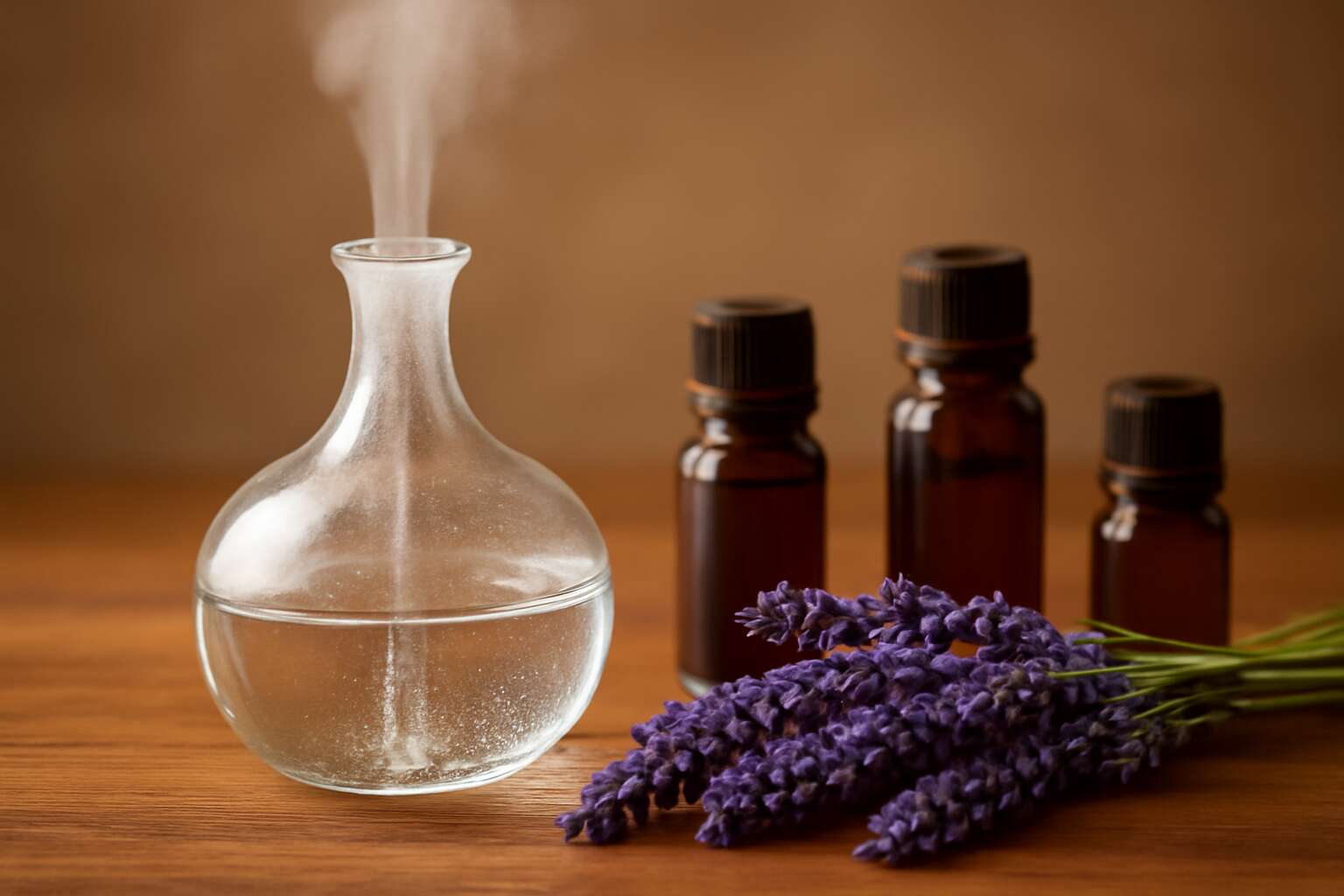
The Science Behind Aromatherapy
Olfactory System and Emotional Processing
A lush breeze of scent can tilt mood in moments; neuroimaging reveals emotional shifts unfolding within seconds of exposure!
The olfactory system maps scent directly to the brain’s emotional centers. Signals ride from the nose to the olfactory bulb and onward to the amygdala and hippocampus, where memory meets feeling. This loop helps explain immediate calm, focus, or nostalgia.
- Olfactory receptors detect scent molecules
- Signals travel to the olfactory bulb
- Direct connections to the amygdala and hippocampus shape emotion and memory
- Hypothalamus and autonomic centers tune physiology
In South Africa’s vibrant spaces—from city offices to quiet homesteads—this biological dialogue explains why certain aromas feel uplifting or soothing. Understanding how aromatherapy works channels science and wonder, harmonizing mind and body when scent meets meaning.
Chemical Constituents of Essential Oils
Scents ride on chemistry, not magic. The science behind essential oils centers on chemical constituents—terpenes, esters, and phenols—that shape aroma and effect. When inhaled or applied, these compounds interact with sensory receptors and tissues, steering mood and perception. This is how aromatherapy works at the molecular level!
Key constituents include:
- limonene
- linalool
- terpinen-4-ol
In South Africa’s diverse spaces, blends draw on local flora—fynbos-inspired notes with citrus and coastal botanicals—balancing brightness and grounding. Understanding these chemicals helps explain why some scents feel bracing and others soothing.
Neurophysiology of Inhalation
In a breath, the brain reads a scent like weather passing over a plain—some estimates say up to 75% of emotional response is odor-driven. The science of inhalation rests on neurophysiology: volatile molecules meet receptive membranes in the nose, awakening pathways that shape mood and perception.
Signals surge from detectors into an odor map in the brain, dancing through the limbic network—amygdala and hippocampus—tinting memory and feeling. This is how aromatherapy works, at the speed of airflow and synapse, with some scents piercing the trigeminal frontier.
Across South Africa’s scented horizons, blends drawn from fynbos and coastlines summon personal narratives as subtle autonomic shifts ride on aromatic notes, turning perception into a living dusk.
- Olfactory receptor engagement by volatility
- Neural signaling to limbic hubs
- Autonomic mood modulation
Topical Absorption and Skin Interaction
Skin is a living barrier, and topicals push the boundary where scent meets sensation. A drop of oil can set cells in motion within minutes, steering calm and focus. This is how aromatherapy works at the skin level.
Volatile compounds must cross the stratum corneum; their success rests on molecular size, lipophilicity, and the carrier oil chosen. Warmth and gentle massage help dispersion and penetration, guiding molecules into the outer dermis where they can influence hydration and local comfort.
Factors shaping absorption:
- Skin integrity and hydration
- Carrier oil type and dilution
- Application area and friction
- Temperature and duration
In South Africa, mindful blends using local botanicals can modulate the skin microenvironment, offering subtle, regionally resonant effects.
Delivery Methods and How Effects Are Conveyed
Inhalation and Olfactory Reception
Across South Africa, more than 60% of adults report turning to aromatherapy for mood and focus. This momentum offers a fresh lens on how aromatherapy works: a process that begins with fragrance in the air and ends in subtle shifts in daily life.
Delivery methods vary in practicality and effect. Room diffusion turns a scent into ambient experience; direct inhalation from a pad provides a more intimate cue; steam inhalation offers a quick route to respiratory sensation.
- Room diffusion with a diffuser
- Direct inhalation from a pad or cloth
- Steam inhalation over hot water
Once inhaled, volatile molecules travel through the nasal passages, interact with olfactory receptors, and trigger neural signals that influence arousal, mood, and a sense of calm.
Diffusion and Delivery Mechanisms
Across South Africa, more than 60% of adults turn to aromatherapy for mood and focus, a statistic that hints at fragrance’s quiet power. In practice, the room becomes a theater of scent, where a gentle current can steer attention, soften tension, and reframe a tough afternoon. That’s how aromatherapy works.
Delivery methods vary in practicality and effect.
- Room diffusion with a diffuser
- Direct inhalation from a pad or cloth
- Steam inhalation over hot water
Once released, volatile molecules drift through the air, brushing the nasal passages and sparking neural signals that shape mood and attention. Ambient diffusion sustains a gentle undercurrent, while a quick inhalation cue can sharpen focus in the moment—subtle, consistent, and remarkably personal.
Topical Application and Skin Safety
Delivery methods shape how quickly and when a scent nudges your day. This is how aromatherapy works in practice, turning a room into a mood orchestra and a focus cue all at once.
Delivery methods vary by context, blending convenience with effect. Consider these common modes:
- Room diffusion with a diffuser
- Direct inhalation from a pad or cloth
- Steam inhalation over hot water
How effects are conveyed rely on scent molecules traveling through air and interacting with our perception. Ambient diffusion creates a gentle current, while a quick whiff can sharpen attention without shouting.
Topical application and skin safety remind us that some oils interact with the skin’s barrier and lipids. Formulations vary in absorption and potential irritation or photosensitivity, so awareness matters for everyday use.
Choosing Methods for Goals and Safety
In South Africa, a rising wellness rhythm sees scent steer days and meetings alike. Room diffusers, direct inhalation, and steam inhalation shape tempo, letting mood follow intention rather than chance. This is, in simple terms, how aromatherapy works.
Delivery methods blend convenience with effect. Consider these common modes:
- Room diffusion with a diffuser for sustained ambiance and mood shaping
- Direct inhalation from a pad or cloth for focused cues
- Steam inhalation over hot water for rapid breath relief
How effects are conveyed relies on scent molecules traveling through air and meeting perception. Ambient diffusion creates a gentle current, while a quick whiff sharpens attention without shouting. Safety comes with mindful dilution and patch testing before daily use.
Health Benefits and Practical Applications
Mood, Stress Reduction, and Emotional Well-being
Scent is memory’s quicksilver, turning a dull day luminous. In South Africa’s sunlit mornings, the right aroma can lift mood like a chorus breaking through quiet air.
Moonlight on a cup of rooibos becomes a companion, and the gentle scent settles the room. For mood, stress reduction, and emotional well-being, the aromatic cues you choose carry weight. This is how aromatherapy works: scents weave calm into the day, inviting focus and warmth to return.
- Mood modulation
- Stress resilience
- Emotional steadiness
Each whiff is a small overture, a reminder that wellbeing can be fragrant and personal, crafted to suit a South African temperament without shouting for attention.
Sleep Improvement and Relaxation
Across South Africa’s evenings, a single scent can turn a tense moment into a moment of grace. A remembered note, like a chorus at dusk, settles the room and nudges the day toward rest, inviting a soft, luminous pause before tomorrow begins.
Health benefits and practical applications bloom in the quiet hours: sleep improvement, reduced hyperarousal, and a mind more receptive to renewal. This is how aromatherapy works: inhaled molecules nudge the brain’s emotional centers, aligning mood with body and breath so rest becomes a natural, welcoming guest.
- Lavender and lavandin for gentle unwinding
- Vetiver and sandalwood for grounding warmth
- Chamomile and soft citrus blends for balanced calm
Pain and Headache Management
Across South Africa, headaches are a daily companion for many, and some studies suggest up to 40% relief when scent accompanies care. This is how aromatherapy works in pain relief—breathing in essential oils can nudge the brain’s pain and mood networks toward calm, lowering perceived intensity and easing muscle tension.
In practice, certain oils stand out for head discomfort: peppermint for a cooling anchor, lavender for quieting nerves, and eucalyptus for clarity of breath and mood. Their vapors interact with receptors and the limbic system, shaping how the body experiences relief without overpowering sensations.
- Peppermint for tension headaches
- Lavender for calming balance
- Eucalyptus for refreshed breathing and mood support
In South African life, this subtle chemistry travels from the clinic to the home, offering a gentle, accessible complement to sleep-friendly routines and daily resilience.
Digestive Comfort and Nausea Relief
One in three South Africans wrestle with digestive discomfort at some point, a reality that invites gentler paths to relief. Understanding how aromatherapy works reveals a quiet bridge from scent to sensation, where breath and mood weave a calmer gut and calmer days.
Practical applications turn to familiar oils that travel well with South African rhythm:
- Peppermint: clears nausea and supports comfortable digestion with a cooling, grounding touch.
- Ginger: a storied anti-nausea ally, warming the senses and gently coaxing digestion.
- Lemon: a bright lift that steadies mood and mild tummy discomfort.
These vapors mingle with breath, guiding the body toward balance without stealing the day’s tempo.
Safety, Quality, and Ethical Considerations
Quality Indicators and Purity Testing
Scent is persuasion; safety is trust. In practice, the art and science of how aromatherapy works rests on careful choices about materials, dilution, and provenance.
Safety is not optional; a patch test, proper dilution, and avoiding photosensitive ingredients protects skin and mood. Understanding the science behind scent keeps expectations realistic.
Quality Indicators and Purity Testing keep confidence high. Seek GC-MS reports, clear batch numbers, and transparent sourcing. When labels align with reality, the experience is trustworthy.
- Certified suppliers with traceable batches
- Independent purity testing
- Transparent ingredient lists
Ethical considerations matter, especially in South Africa: sustainable harvesting, fair trade, and cruelty-free practices protect communities and ecosystems. Choose brands that publish supplier maps and reward local growers.
Safety Guidelines for Different Populations
There is a spark in every inhaled whisper of essential oil—safety and ethics shape what that whisper becomes in the body. The process depends not only on aroma, but on who receives it: children, pregnant people, the elderly, and those with skin sensitivities require tailored approaches. In South Africa’s diverse tapestry, guidelines become guardians of wellbeing.
- Certified suppliers with traceable batches
- Independent purity testing
- Transparent ingredient lists
Ethical considerations matter; sustainable harvesting, fair trade, cruelty-free practices sustain communities and ecosystems. Brands that publish supplier maps and reward local growers connect scent to stewardship. This is how aromatherapy works when safety, quality, and ethics entwine.
Storage, Dilution, and Patch Testing
One crisp truth: safety is the most overlooked scent. “Safety is the best fragrance,” a mentor once told me, and it stuck. In South Africa, this principle shapes how we handle essential oils—from storage to patch testing. When we describe how aromatherapy works, it’s not just the aroma; it’s the body’s response and the people who steward the oils. Certifications, traceable batches, and transparent ingredient lists are the guardrails guiding quality with safety.
- Storage: Keep oils in a cool, dark place away from heat and sun to preserve potency.
- Dilution: Oils are potent; use a carrier to reduce skin irritation and ensure safe diffusion.
- Patch testing: Apply a small amount to the inner forearm and wait 24 hours for signs of sensitivity.
Ethical considerations sustain communities and ecosystems. In South Africa, sustainable harvesting, fair trade, and cruelty-free practices tie scent to stewardship. Brands that publish supplier maps and reward local growers show safety and quality in action. When safety, quality, and ethics entwine, aromatherapy reveals its responsible face to readers and customers alike.
Sourcing and Sustainable Practices
‘Safety is the best fragrance,’ a mentor once told me. In South Africa, this mantra guides how we steward essential oils—from storage to sourcing. When we describe how aromatherapy works, the focus shifts from scent to the body’s response and the people who sustain the oils.
Ethical considerations anchor Sourcing and Sustainable Practices in South Africa. We protect ecosystems and communities by demanding traceable batches, fair trade, and cruelty-free testing.
- Traceable batches and supplier maps
- Fair trade premiums for local growers
- Cruelty-free processing and transparent disclosure
When safety, quality, and ethics entwine, the practice reveals itself as a living craft—nurtured by careful stewardship of every drop and every partnership.


0 Comments