Understanding Aromatherapy Massage
What is aromatherapy massage
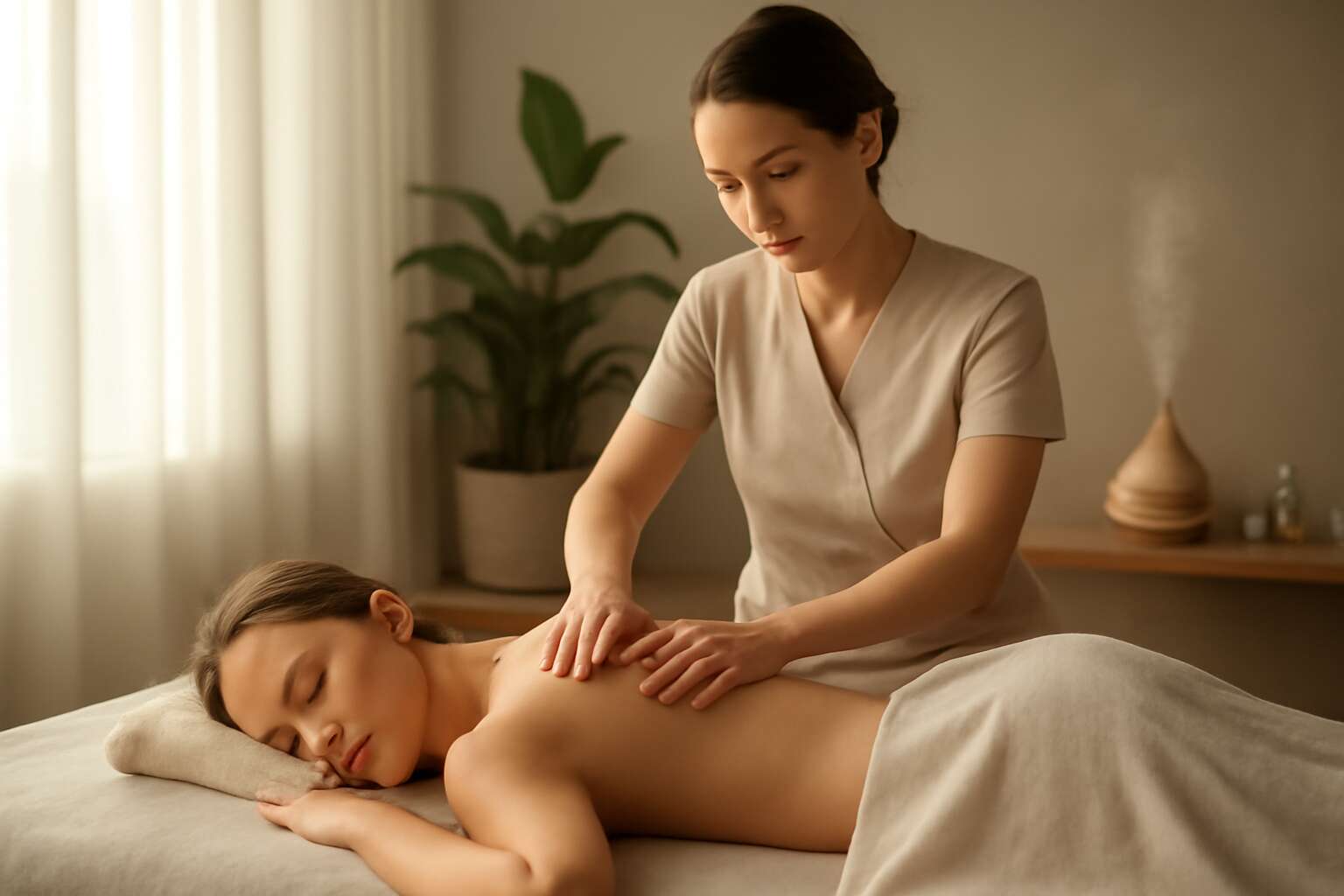
In South Africa’s wellness spaces, scent can steer the mood before a touch lands. “Relaxation is a journey,” a therapist often says, and aromatherapy massage begins the moment oils are opened. From my experience, understanding aromatherapy massage vs swedish helps clients choose the path that suits their mood.
During aromatherapy massage, I blend essential oils with carrier oil and use a slow, flowing sequence that blankets muscle and mind. The fragrance wafts with every stroke, guiding breath and easing tension. Oils are diluted, with blends tailored to calm, focus, or invigoration—so the treatment feels personal, even in Cape Town’s rooms or Jo’burg’s evenings.
Here’s what to expect in practice:
- Custom blends align mood and muscle memory
- Breath-driven strokes nurture relaxation and circulation
- Skin-safe, patch-tested oils ensure comfort
In contrast to Swedish massage, the aromatherapy approach centers on scent as a therapeutic vehicle, not just touch.
Common essential oils used and their benefits
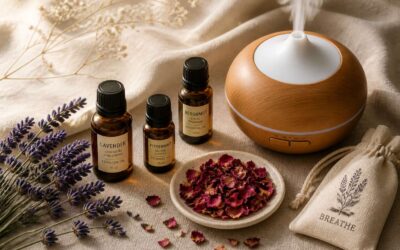
Aromatherapy’s scented invitation meets the massage room’s rhythm in the discussion of aromatherapy massage vs swedish. Essential oils are chosen to sing with intention: calming, energizing, or clarifying, then diluted in a carrier oil for safe skin contact. In South Africa’s studios, lavender, bergamot, eucalyptus, and sweet orange are frequently blended to nurture mood and muscle response.
- Lavender — relaxation and restful sleep, gentle on nerves
- Bergamot — mood elevation and reduced anxiety
- Eucalyptus — clarity, respiratory ease, and refreshed focus
- Peppermint — cooling relief for taut muscles and alertness
These oils are chosen with patch testing in mind, ensuring comfort regardless of skin type, and blends vary by time of day and level of tension in Cape Town or Jo’burg.
Techniques and oil integration into massage
An aromatherapy massage unfurls like a legend whispered through warmed air, where scent guides touch and breath aligns with intention. In the broader debate of aromatherapy massage vs swedish, technique and oil integration harmonize to cradle both nerve and muscle.
Oil integration unfolds as a ritual of scent and touch, where carriers temper potency and the therapist reads the body’s map to marry aroma with pressure. The goal is harmony, a quiet dialogue between breath and tissue.
In South Africa, studios in Cape Town or Jo’burg tailor blends—lavender, bergamot, eucalyptus, sweet orange—so mood and muscle respond in chorus.
Session structure and duration
An aromatherapy massage session unfolds like a quiet overture, where scent guides touch and breath negotiates tempo. I begin with a discreet consultation, inviting clients to select oils that align with their mood and the moment. In South Africa, studios in Cape Town and Jo’burg typically offer 60- to 90-minute experiences, a duration that allows both nerve and muscle to soften into ritual.
Here is the rhythm as it tends to bloom:
- Consultation and scent profiling to tailor the blend
- Oil application and pressure choreography that evolves with breath
- Post-session rest, hydration, and gentle notes for home practice
When comparing aromatherapy massage vs swedish, the difference lies in how aroma guides the pace and how long the calm lingers. The SA experience makes the duet between scent and touch a lasting memory, a signature gesture that lingers well beyond the table.
Who can benefit from aromatherapy massage
“Scent is memory in motion,” a SA studio voice likes to say. In our spaces, a single breath can slow tempo and soften tension from neck to spine. Aromatherapy massage weaves scent into touch, turning the massage into a mindful ritual.
In the comparison aromatherapy massage vs swedish, the difference isn’t only surface level—it’s pace and the lingering calm. Aroma guides breath and tempo, helping clients address stress, sleep issues, or emotional fatigue.
- Stress relief and emotional balance
- Improved sleep quality
- Reduced muscle tension and headaches
- Enhanced body awareness and mood
In South Africa, this approach often leaves a memory of calm that lasts beyond the room, distinguishing aromatherapy sessions from more traditional Swedish massage. The aroma-focused path invites the nervous system to unwind first, and the body follows.
Understanding Swedish Massage
Core principles of Swedish massage
In the softly lit studio, Swedish massage settles the body like a sail catching a patient wind. A South African spa survey notes that 85% of clients report relief from muscle tension after a session. Its rhythm honors breath, tempo, and the body’s map, guiding every stroke with quiet confidence.
At its core lie principles of comfort, circulation, and flexibility. The technique unfolds in a choreography you can feel:
- Effleurage — long, gliding strokes warming the muscles
- Petrissage — kneading and lifting to release adhesions
- Friction and tapotement — rhythmic percussion to awaken tissue
- Stretching — gentle range‑of‑motion moves inviting ease
These movements offer a steady, reassuring cadence that enhances range of motion and circulation, setting the stage for a mindful pairing with essential oils—a contrast readers often explore in aromatherapy massage vs swedish.
Common strokes and techniques
In a softly lit studio just outside a small South African town, Swedish massage feels like a patient dialogue between skin and breath. The rhythm is steady, the touch respectful, and the room carries the quiet of a long day winding down. When clients ask about aromatherapy massage vs swedish, they’re curious how scent and touch shape ease, mood, and mobility.
Common strokes keep the body calm and the mind present:
- Effleurage — long, gliding strokes that warm the muscles
- Petrissage — kneading and lifting to release adhesions
- Friction — targeted pressure to break up tension
- Tapotement — rhythmic percussion to awaken tissue
- Stretching — gentle range‑of‑motion moves inviting ease
These movements create a steady rhythm that enhances circulation and comfort, inviting breath to settle and the body to trust the touch.
Benefits for physical and mental well-being
One breath can rewrite a tense day, and in a quiet studio near a coastal South Africa town, understanding Swedish massage benefits becomes a map of body and breath. The technique fosters a measured flow that supports tissue, nerves, and posture, inviting systems to reset. Physically, it can improve circulation and mobility; mentally, it nurtures a quiet resilience against daily strain.
When comparing aromatherapy massage vs swedish, the emphasis shifts from pure touch to the ambient narrative that scents create, yet the underlying benefits echo—calm, clarity, and release.
- Enhanced circulation and lymphatic flow
- Reduced muscle tension and stiffness
- Improved sleep quality and mood regulation
Together, the approach emphasizes steadiness and breath, inviting the body to trust its own rhythms and cultivate mobility with a quiet confidence.
Typical session duration and sequence
Coastal studios along South Africa’s shoreline hum with earthy warmth as a Swedish massage session begins. The standard duration sits at 60 minutes, with options for 75 or 90 to deepen the sense of release. The cadence is the star here—a measured breath guiding deliberate, flowing strokes. In aromatherapy massage vs swedish, the cadence can soften further, as scent threads into the session and invites a slower, more reflective pace.
- 60-minute standard session as the baseline
- Initial light contact to assess comfort and tension
- Progression to longer glides, kneading, and breath-synced flow
- Gentle finishing strokes and a moment of quiet post-session rest
The sequence respects posture, breath, and gravity, inviting a calm, restorative resonance to linger after the massage.
Aromatherapy vs Swedish: Core Differences
Focus and aims of each modality
When aromatherapy massage vs swedish is compared, two paths emerge to calm the body and sharpen the senses. A quiet whisper of essential oils can recalibrate the nervous system, while Swedish strokes invite a disciplined release of tension. In South Africa, studios weave these paths into intimate rituals of recovery.
Three focal distinctions emerge:
- Focus is mood, aroma, and emotional resonance—using oils to nudge mood and memory.
- Swedish emphasizes physical release—long, enveloping strokes to ease stiffness and improve circulation.
- Aims diverge: aromatherapy massage focuses on holistic harmony of body and mind, while Swedish targets tangible relief and mobility.
Both paths honor the body’s rhythms and the soul’s needs, inviting clients to listen as much as to feel.
Oil usage and scent considerations
In aromatherapy massage vs swedish, the oil is the conductor of the session—its scent guiding tempo and emotion as much as the therapist’s hands guide stiffness.
- Oil purity and origin—organic, ethically sourced blends perform better on sensitive skin.
- Dilution and skin compatibility to prevent irritation.
- Scent profile and personal preference, from citrus to earthy, shaping mood.
South African studios tailor these notes to climate and culture, ensuring aroma supports recovery without overpowering the room. The result is a nuanced balance of scent and technique that respects both body and memory.
Sensory experience and relaxation potential
In the dance between scent and touch, aromatherapy massage vs swedish reveals two distinct paths to relief. Aromas guide tempo and mood, while Swedish strokes provide a steady architectural rhythm that invites the body to soften and breathe.
Key sensory differences unfold in the room:
- Scents set tempo and emotional tone, from citrus brightness to earthy calm.
- Oil purity and dilution influence skin comfort and perceived safety.
- Strokes and scent collectively shape relaxation levels, from vivid invigoration to gentle surrender.
In SA studios, practitioners align fragrance choices with climate and culture, ensuring aroma enhances recovery without overpowering the space, creating a cohesive experience that feels both intimate and expansive.
Environment and temperature considerations
In South Africa’s wellness rooms, temperature and scent are not afterthoughts but co-therapists. Aromatherapy massage vs swedish reveals how environment frames relief: aromatics drift in to cue tempo and mood while the room holds a welcoming stillness for Swedish strokes to land with measured comfort. The diffusion level and the warmth of the oil influence how skin feels and how the breath deepens, shaping a relaxation map for each modality.
- Ambient room temperature and humidity shape comfort through the seasons
- Diffuser placement and scent intensity to avoid overpowering the space
- Oil temperature and skin feel to prevent shock or slickness
- Ventilation and soundscape to keep the environment calm
- Local climate variations in SA between coastal and inland settings
These environment and temperature considerations help the two paths breathe differently, with aromatics tempering energy and touch inviting steady surrender.
Post-session effects and recommendations
Across SA wellness rooms, a telling stat anchors the moment: 74% report calmer evenings after aromatherapy massage vs swedish. The comparison—aromatherapy massage vs swedish—highlights how scent-led relief can tilt the post-session mood, while touch-led relief grounds physical ease in its own, quiet way.
Post-session effects split along scent and touch. With aromatherapy massage vs swedish, the oils linger in breath and mood, while Swedish leaves a grounded, muscle-relaxed calm. Moments after the session, clients report slower thoughts, deeper breathing, and a buoyant sense of safety.
- Lingering calm and slower cognitive drift
- Breath deepening and scent memory
- Muscle tone and joint ease stabilized
Ultimately, both paths offer relief, each with its own afterglow. In SA, we tailor the room to the modality’s intent, letting the aromatherapy massage vs swedish balance echo into the hours after treatment.
Choosing Between Aromatherapy and Swedish Massage
Assessing your physical needs and health conditions
Choosing between aromatherapy massage vs swedish isn’t merely about scent or pressure; it’s about listening to your body’s cues. One client once quipped, ‘The room smelled like a vacation, and my worries melted,’ and when weighing aromatherapy massage vs swedish, consider how your body responds to essential oils and mood goals. If you crave mental clarity and a gentle touch, the aromatherapy path can illuminate the room as much as the muscles. For many South Africans, a well-timed blend turns a routine session into a restorative ritual that respects practicality and pampering.
- Health conditions and fragrance sensitivities
- Goals: relaxation, pain relief, mood lift
- Medication interactions and skin considerations
Ultimately, the choice should align with how you want to feel: calm, energized, or both. In SA, discuss your health conditions with a qualified therapist who can tailor pressure, oils, and timing for your needs.
Oil preferences, allergies, and sensitivities
In South Africa, the choice between aromatherapy massage vs swedish isn’t just about scent or pressure—it’s about how your body responds to oils. A recent SA wellness survey found 62% of clients seek mood-boosting experiences where fragrance shapes the moment as much as touch. Oil preferences, allergies, and sensitivities should guide the decision.
To guide the decision, consider these factors:
- Essential-oil sensitivities and the need for patch testing
- Allergies to specific oils or other fragrances
- Skin conditions and potential interactions with medications
- Personal fragrance thresholds and desired scent intensity
Ultimately, the choice mirrors how you want to feel—calm, energized, or both. In South Africa, therapists commonly tailor blends to individual needs, balancing scent, skin safety, and timing to suit each session.
Time, budget, and access considerations
Across South Africa, choosing between aromatherapy massage vs swedish is as much about timing and access as scent and touch. A SA wellness survey shows 62% of clients want mood-boosting experiences that fit their schedule and budget, not just a moment of relaxation. That’s reality!
Think through these practical factors when booking:
- Time: standard sessions around 60 minutes, with aromatherapy options sometimes extending to 75–90 minutes for full essential-oil integration.
- Budget: aromatherapy can carry a premium with bespoke blends; Swedish remains a budget-friendly staple.
- Access: urban clinics offer flexible booking windows, while rural areas may require travel or mobile therapists.
Ultimately, your choice hinges on how you want to feel and what your body can handle. In SA, therapists tailor blends to balance scent, skin safety, and timing for each session, ensuring the experience aligns with personal needs and life constraints.
How to talk with your therapist about goals
Within the dim glow of a treatment room, choosing aromatherapy massage vs swedish becomes a rite of intention for me rather than a mere swap of strokes. A single scent can tilt a day toward dawn or toward velvet night, and in South Africa, many clients seek experiences that fit their schedule and budget as keenly as relief itself.
To talk with your therapist about goals, lay your cards bare—without fear of judgement—so the blend can breathe with you. Consider these prompts:
- Describe the mood you want to capture or shift
- Note any oils or scents that spark discomfort or delight
- Identify timing and post-session feelings you hope to carry through the day
Therapists in SA tailor blends to balance scent, skin safety, and timing, ensuring the session fits your body and life constraints. The room becomes a harbor for restoration, not a routine.
Safety, Contraindications, and Aftercare
Essential oil safety: allergies and skin sensitivities
Safety anchors the experience of aromatherapy massage vs swedish. In South Africa’s spa culture, when essential oils join the therapist’s touch, the air thickens with scent and nuance, demanding careful dilution and clear communication about sensitivity and fragrance tolerance.
Contraindications are practical guardrails: active skin conditions, pregnancy, or recent surgery may shape oil choice and technique. A patch test helps reveal allergies or sensitivities before full application.
- Allergies or skin sensitivities to essential oils
- Medical interactions with medicines or conditions
Aftercare completes the circle: hydration, gentle cleansing if oils were used, and avoiding heat or strong sun for a few hours to maintain balance.
Post-session care and hydration
In the dimly lit rooms of South Africa’s spa culture, safety anchors the journey of aromatherapy massage vs swedish. Blends are judiciously diluted, scents calibrated, and touch tuned to comfort. It’s a conversation of breath and pressure—intimate, precise, and guarded against overwhelm.
Contraindications serve as practical guardrails: active skin conditions, pregnancy, or recent surgery may dictate the oil and technique. A patch test helps reveal allergies before full application.
- Patch-test step: swab a small area and wait 24 hours.
- Disclose medications that affect sensitivity or healing.
Post-session care and hydration complete the circle: drink water, rinse if oils were used, and avoid heat or strong sun for a few hours.
Finding a qualified practitioner and consultation tips
In South Africa’s candle-lit treatment rooms, safety is the quiet conductor guiding aromatherapy massage vs swedish. Blends are carefully diluted, scents calibrated, and touch tuned to comfort—it’s a dialogue of breath and pressure that keeps overwhelm at bay.
Contraindications act as practical guardrails: active skin conditions, pregnancy, or recent surgery may dictate the oil and technique. A quick patch test and full disclosure of medications that affect sensitivity or healing ensure safer choices.
Aftercare and finding a qualified practitioner go hand in hand. Hydration, gentle rinsing if oil was used, and avoiding heat support recovery. During consults, ask about qualifications, oils used, and safety protocols to ensure aromatherapy massage vs swedish aligns with your goals.
- Ask about credentials and licensure
- Ask about patch testing and allergy handling
- Request a brief treatment plan and oils used
When to reschedule or seek medical advice
Safety is the quiet conductor in South Africa’s candlelit treatment rooms, guiding the delicate dialogue between aromatherapy massage vs swedish. Blends are diluted, scents calibrated, touch balanced to comfort; it’s a breath-and-balm ritual that keeps overwhelm at bay.
Contraindications act as guardrails: active skin conditions, pregnancy, or recent surgery may dictate the oil and technique. A quick patch test and full disclosure of medications that affect sensitivity or healing ensure safer choices. If you notice irritation or unusual breathing, seek professional guidance—safety isn’t superstition, it’s method.
Aftercare and finding a qualified practitioner go hand in hand. Hydration, gentle rinsing if oil was used, and avoiding heat support recovery. During consults, ask about qualifications, oils used, and safety protocols to ensure aromatherapy massage vs swedish aligns with your goals.
- Credentials and licensure
- Patch testing and allergy handling
- Brief treatment plan and oils used


0 Comments