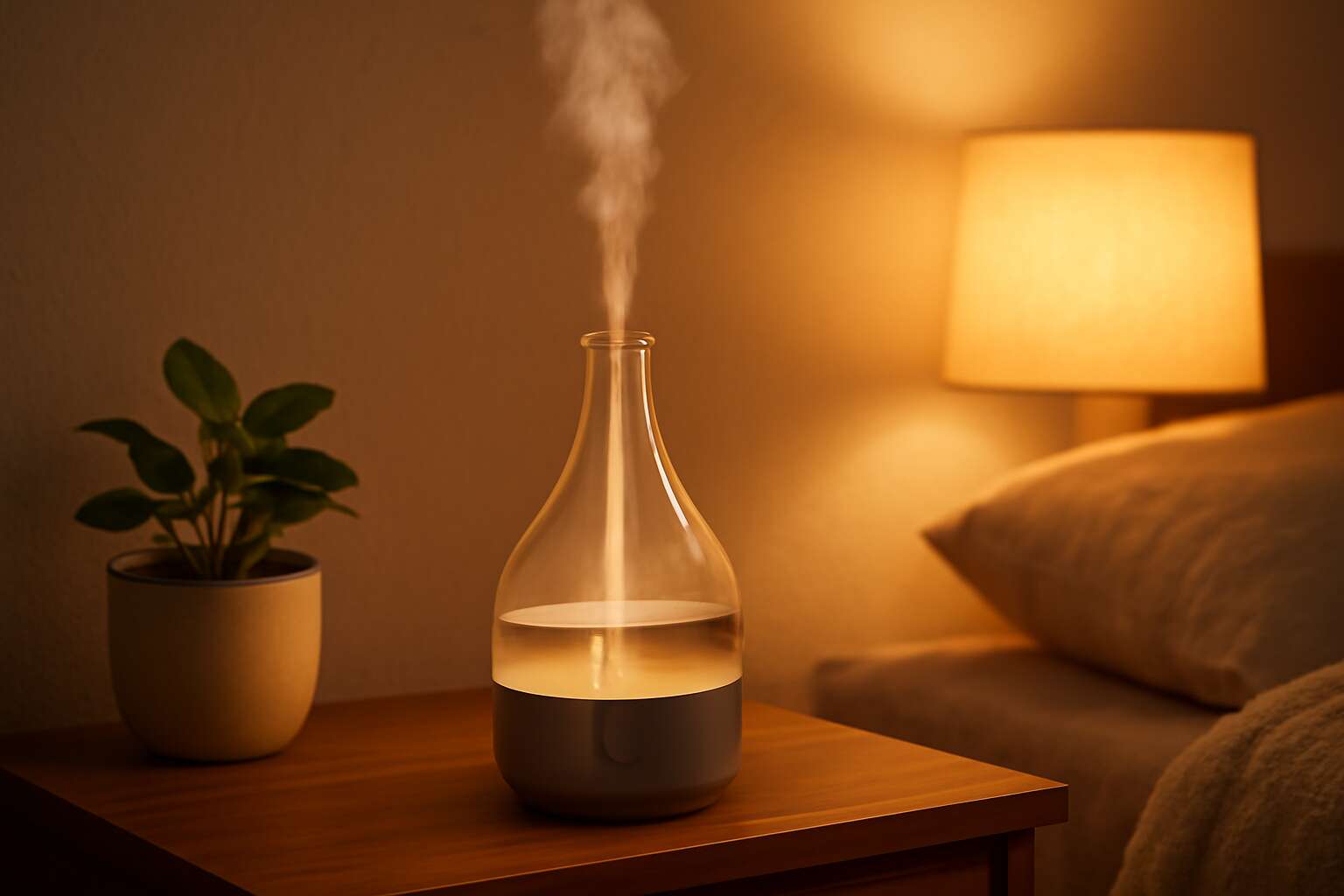
Safety considerations for aromatherapy diffusers
Short-term health effects and symptoms
Fragrance is a whisper that can lift a room or sting a throat. In South Africa, safety considerations for aromatherapy diffusers demand attention to oil purity, device quality, and room ventilation—factors that quietly shape your experience. In busy spaces, even subtle missteps can bloom into short-term discomfort.
For those monitoring immediate effects, common short-term health signs include:
- Irritation of eyes, throat, or nose
- Headache or dizziness
- Wheezing or coughing for those with asthma or allergies
- Allergic skin reactions or dermatitis
Are aromatherapy diffusers bad for you? The question ‘are aromatherapy diffusers bad for you’ remains debated among clinicians, with concerns centering on air quality, oil purity, and a crowded room. In these conversations, context—airflow, concentration, and individual sensitivity—shapes risk more than any brand claim.
Allergic reactions and sensitivities
In South Africa, scent power meets air quality. The question, are aromatherapy diffusers bad for you, isn’t black and white; it hinges on room size, ventilation, and the oil purity you trust.
Allergic reactions and sensitivities can surface even with reputable oils, especially in close quarters. Some people carry hidden fragrance sensitivities that show up only after extended exposure or higher concentrations, not because of a single brand claim.
Several contextual factors shape risk more than marketing promises:
- oil purity and source quality
- diffuser materials and design
- room ventilation and occupancy
These dynamics explain why safety conversations stay nuanced rather than alarmist.
Accidental exposure risks for children and pets
In South Africa, air carries stories as fragrances drift through walls. “Fragrance is a conversation with the room,” a sage line once whispered. The question are aromatherapy diffusers bad for you hovers in a space where room size, ventilation, and oil purity shape the answer.
Accidental exposure risks for children and pets surface when diffusers share small spaces. Even gentle oils can irritate little airways after repeated exposure, a reminder that fragrance is a guest—delicate and potent.
- Concentration and exposure duration become the invisible risk factors
- Young lungs and curious noses heighten vulnerability in shared spaces
- Ventilation and room dynamics modulate how fragrance travels
Safety conversations stay nuanced, a living poem of scent and space rather than alarm.
Oil quality and plant species considerations
In South Africa, the air feels thick with intention when a diffuser runs—roughly one in three homes uses diffusers regularly, turning scent into atmosphere. The lingering question are aromatherapy diffusers bad for you, persists, but clarity arrives from oil quality and plant sources rather than fear.
Oil quality and plant species considerations set the boundary of safety. Seek oils with batch-specific purity data, and prefer plants sourced from sustainable farms and properly identified chemotypes. The right plant species, correctly processed, reduces risk and preserves aroma’s integrity.
- Source purity and testing
- Plant species and chemotype
- Extraction method and adulterants
These choices influence not only safety but the meaning of scent in space—fragrance becomes careful conversation rather than reckless drama.
Health implications of essential oils in diffusers
Inhalation risks and toxicology basics
Inhaling essential oils via diffusers isn’t a universal wellness win; inhalation risks and toxicology basics show that tiny droplets can reach the lungs. Some oils irritate airways, provoke coughing, or trigger headaches in sensitive people. In rooms with limited ventilation, exposure can rise quickly and linger, complicating existing respiratory conditions. This helps explain why many South Africans ask if are aromatherapy diffusers bad for you, seeking context about safety, dose, and personal risk.
- Oil composition and concentration vary; higher doses may irritate airways.
- Individual sensitivities, such as asthma, allergies, or pregnancy, change risk.
- Room size and ventilation alter actual exposure.
- Oil quality and adulterants can introduce unexpected toxins.
Ultimately, no single oil is universally safe; sensitivity varies and research gaps remain. The message is nuanced: inhalation risks and toxicology are not one-size-fits-all, and context matters for each indoor environment.
Air quality and VOCs from diffusers
Scent sells, but your lungs deserve receipts. In South African homes, the diffuser hum can shift air quality in seconds—and the question is are aromatherapy diffusers bad for you? The debate isn’t black-and-white; it’s a nuanced look at inhalation exposure and VOCs.
Essential oil vapors contribute volatile organic compounds to indoor air. In poorly ventilated spaces, even a gentle puff can raise the VOC load, potentially irritating airways or provoking headaches in sensitive folks. The specific oils, their concentration, and the room’s size all matter, so exposure isn’t uniform from house to house.
- Room size and ventilation alter actual exposure
- Oil composition and dose change air quality
- Oil quality and adulterants can introduce unexpected compounds
In short, there’s no universal verdict—the air you breathe depends on context, not marketing speak.
Impact on respiratory conditions such as asthma
Fragrance is the new furniture in many South African homes, and the diffuser hum can shift air quality in seconds. The question many ask is, are aromatherapy diffusers bad for you? The truth isn’t a slam dunk—it’s a gradient defined by room size, ventilation, and the oils chosen.
For asthma and other respiratory conditions, inhaled oils can irritate airways and provoke coughing or wheeze in sensitive individuals. The impact depends on oil chemistry, the dose, and the room’s ventilation; lightly scented blends may be gentler, but there is no universal rule.
Several variables tilt the risk one way or another:
- Pre-existing respiratory conditions and sensitivities
- Ventilation rate, air exchange, and room size
- Oil quality, plant source, and dilution level
Skin contact and accidental spills during handling
South African homes have embraced diffusers like a new piece of furniture—beautiful, mood-changing, and sometimes a little dramatic. The bigger question remains: are aromatherapy diffusers bad for you? The answer isn’t binary; it’s a gradient shaped by skin contact risk, spills, and the oils you choose.
Skin contact and accidental spills during handling can flip a tranquil scent into a not-so-tranquil episode. The potential issues range from mild irritation to dermatitis for sensitive souls. Consider these possibilities:
- Transient skin irritation from essential oils on exposed skin
- Contact dermatitis with repeated exposure
- Stains or residue from spills that irritate or stain surfaces
In the end, are aromatherapy diffusers bad for you? It’s not black and white, but simply a matter of chemistry meeting caution in a well-ventilated room.
Considerations during pregnancy and nursing
Fragrance can soothe a room and sharpen memory, yet it carries more than mood. When considering are aromatherapy diffusers bad for you, nuance wins over certainty. In South Africa, many homes blend tradition with wellness rituals, even as air quality and chemistry demand respect.
Pregnancy and nursing heighten caution: essential oils can cross barriers and influence infant exposure. Some oils are linked to uterine activity or hormonal effects, others appear gentler. The key is choosing profiles with careful consideration of potency and history while avoiding excessive concentrations.
This is not a verdict but a gradient where scent meets safety, especially in households with small children. The conversation on this topic continues, shaped by the oils you pick, the room’s circulation, and the rhythms of daily life.
Best practices for safe diffuser use
Choosing high-quality essential oils
“Scent is the original social media,” a Cape Town diffuser enthusiast quips, and safety matters as much as style. Best practices for safe diffuser use keep the air pleasant without turning your living room into a lab experiment.
Choosing high-quality essential oils matters more than the pretty bottle. In South Africa, purity and provenance are king, and cheap imitations rarely deliver the aroma—only the allergens.
- Quality indicators include purity claims, batch numbers, and transparent sourcing
- Third‑party verification or GC/MS data signals reliability
- Avoid blends with vague origins or overhyped therapeutic claims
Keep usage moderate and never leave a diffuser running unattended; rotate scents to reduce exposure and maintain air quality, and ensure good room ventilation—key in SA summers and winter homes alike.
For some readers, the question “are aromatherapy diffusers bad for you” lingers, but the answer is nuanced. Not inherently—it’s the missteps that bite.
Correct dilution and oil-to-water ratios
In South Africa, scent shapes rooms as much as light does. A Cape Town diffuser enthusiast quips, “Scent is the memory you wear.” For many, are aromatherapy diffusers bad for you remains a cautious debate; the nuance lies in how we use them and how we listen to our bodies.
Correct dilution and oil-to-water ratios come down to following manufacturer guidance and starting with the lightest touch. Use the recommended amount of essential oil per fill, and avoid blends that promise miracles or overpower the senses. Keep rooms ventilated and give some air between scent cycles to prevent overload.
Let space influence your choice: small rooms require subtler blends, larger living areas tolerate more complexity. Rotating scents and stepping back to enjoy the aroma rather than chasing intensity helps maintain air quality and comfort—a practical philosophy for SA homes that endure heat and humidity.
Ventilation and room size considerations
Ventilation reveals itself as a quiet partner in scent. If you’re wondering are aromatherapy diffusers bad for you, the answer lies in mindful use rather than the device. I observe how the mist lingers, a soft shoreline of memory, and let air circulate through an open window or door. In SA rooms marked by heat and humidity, restraint becomes an act of care, not a limitation.
Best practices for safe diffuser use revolve around space and rhythm:
- Ventilation as a backdrop in rooms of varied sizes.
- Output calibrated to room scale to maintain balance.
- Diffusion rhythms with intentional breaks to prevent overload.
Placement matters too; position spaces with care, away from brisk drafts and the hum of foot traffic, so aroma supports rather than competes with the pulse of daily life.
Cleaning and maintenance routines
Scent is memory in motion, and the diffuser is its quiet cartographer. The question—are aromatherapy diffusers bad for you—becomes less a verdict and more a balance sheet of care and curiosity. I watch the mist hover like a shoreline and feel the air respond, the room breathing with tides of aroma. Mindful use starts with respect for space, rhythm, and the quiet honesty of what the body tells us when a scent lingers too long.
In this vein, best practices for safe diffuser use revolve around routine attention and gentle upkeep.
- Routine, non-intrusive checks that monitor balance and device integrity
- Gentle cleaning principles that preserve seals and minimize residue
- Storage and oil quality awareness to prevent unintended buildup
These elements help frame a calm, practical attitude toward scent in South African homes, guiding usage without fear and without ritualized drama.
Myths and concerns about aromatherapy diffusers
Myth: diffusers are universally unsafe
Myth: diffusers are universally unsafe. Scent moves faster than fear. The myth that diffusers are universally unsafe lingers even as more homes in South Africa welcome scent as a daily cue to relax. It’s a simplification that ignores context, product quality, and how they’re used.
When people ask are aromatherapy diffusers bad for you, the answer isn’t a blanket yes or no. Risk depends on ingredients, the space, and the duration of use. In the right conditions, diffusers can be part of a balanced environment; in others, concerns deserve attention.
Common myths show how perceptions outpace data:
- All oils are equally risky
- Diffusion automatically degrades indoor air
- Diffusers are unsafe for everyone
Skepticism and curiosity continue to shape how people approach fragrance at home.
Fact: risks depend on oil and usage
Scent moves faster than fear, yet the myth that diffusers are universally unsafe lingers. The question are aromatherapy diffusers bad for you isn’t answered with a blanket yes or no. Risk hinges on the oil you select and how long and how vigorously diffusion fills the room.
Several context clues sharpen the truth:
- oil quality and sourcing
- room size and ventilation
- diffusion duration and pattern
Across South Africa’s sunlit homes, mindful choices shape outcomes; when used thoughtfully, diffusers can contribute to a calmer atmosphere without surrendering clarity to the room’s breath and rhythm.
Myth: natural equals safe for everyone
Not all natural means safe for every body, and the question are aromatherapy diffusers bad for you can’t be answered with a blanket yes or no. Oils vary wildly in aroma and chemistry, and room dynamics shape exposure. In South Africa’s sunlit homes, ‘natural’ is a starting point, not a guarantee of safety!
These are the subtle, real-life concerns that outpace myth:
- Individual sensitivities differ
- Room size and ventilation change exposure
- Oil choice matters for strength and duration
In everyday terms, are aromatherapy diffusers bad for you remains a matter of context: oil quality, room dynamics, and mindful diffusion all play parts.
Myth: all oils are safe for pets and sensitive people
In South Africa’s sunlit homes, the scent of lavender or citrus braids the air—yet the question remains: are aromatherapy diffusers bad for you? Myth: all oils are safe for pets and sensitive people is persistent, like the scent of burnt rooibos at dawn. Oils vary wildly in chemistry, and room dynamics shape exposure.
Myth: all oils are safe for pets and sensitive people is seductive but misleading. For starters, some oils pose different risks depending on the animal or person in the space, and there’s no universal safety badge in aroma form.
- Species-specific chemistry means some oils cause adverse reactions in animals or sensitive individuals.
- Diffusion in a small, poorly ventilated space yields higher exposure than a ventilated living room.
- Oil purity and blends matter; impurities or overly concentrated formulas shift the risk profile.
Context, quality, and mindful diffusion shape outcomes, rather than blanket certainties. The question remains nuanced, a polite reminder that aroma is a science as much as a scent.



0 Comments