Understanding the Link Between Aromatherapy and Anxiety
What is aromatherapy and how is it used for anxiety
In South Africa’s bustling towns, anxiety often feels like a current you can’t outrun. Roughly one in four adults experience anxiety at some point, a ripple that touches homes and workplaces alike. So, what is aromatherapy and how is it used for anxiety? It rests on scent as a messenger, stirring memory and mood along the brain’s ancient pathways.
Aromatherapy is the practice of using essential oils to influence emotional balance. When inhaled or absorbed, aromas interact with the limbic system, shaping stress responses and heart rate in nuanced ways. The approach is holistic, personal, and quiet—a companion to resilience rather than a miracle cure. I’ve learned that scent can speak where words fail.
- aroma engages memory and mood
- breathing and sensory focus anchor the present
- response is highly individual
This raises a quiet question: can aromatherapy help with anxiety?
Common essential oils for anxiety and their effects
In South Africa, roughly one in four adults wrestles with anxiety at some point, a ripple that tightens the pace of our days. The link between mood and scent is not merely poetic—it’s biological, with aromas nudging memory, breathing, and heart rate toward steadier rhythms. can aromatherapy help with anxiety invites a quiet, personal investigation into how scent works for you.
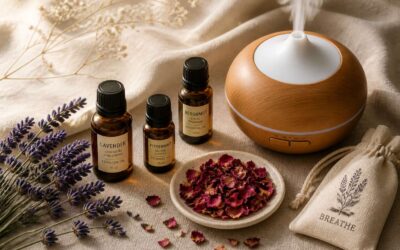
Common essential oils for anxiety and their effects include:
- Lavender — mild sedative effects that promote calm without dulling alertness
- Bergamot — citrus brightness that can uplift mood while supporting balanced nerves
- Chamomile — gentle grounding often used to ease restlessness
Experiences vary, and the practice remains a resilient companion rather than a miracle cure.
Scientific evidence: what studies say about aromatherapy and anxiety
Across clinical contexts in South Africa, the mind’s weather changes with the air we breathe; one in four adults experiences anxiety at some point. The question of can aromatherapy help with anxiety sits at the crossroads of biology and perception. Inhaled scents tend to steady the limbic system, influence breathing, and temper heart rhythms, offering a quiet counterpoint to daily strain.
Here is what scientific evidence often points to:
- Randomized controlled trials examining inhalation show small but consistent reductions in state anxiety, especially in acute settings.
- Meta-analyses reveal modest effects overall, with substantial variability in essential oil type, dose, and exposure duration.
- Method matters: diffusion versus direct inhalation and the context of use influence outcomes as much as aroma itself.
Ultimately, experiences vary, and aromatherapy remains companionship rather than cure; some notice calmer breaths and steadier thoughts, others feel little shift. The science invites curiosity without promising guarantees.
Safety, allergy considerations, and contraindications
In South Africa, one in four adults wrestles with anxiety at some point, and scent can be a quiet ally in the room. A single breath of balanced essential oils can feel like dawn slipping through a window, softening the tempo of a racing mind.
Safety sits at the heart of the practice. Essential oils are potent; sniffing them directly from bottles or using them undiluted can provoke irritation or trigger reactions in sensitive individuals. Those with asthma, pregnant people, or those on certain medications should seek guidance from a qualified practitioner.
Allergy considerations and contraindications are not just footnotes—they are part of the story you tell your body. Consider these factors as you listen to your breath:
- Skin sensitivities and potential dermatitis after exposure
- Respiratory irritation in poorly ventilated spaces
- Interactions with prescription or over-the-counter meds
- Use during pregnancy or with certain medical conditions requires professional input
It invites the question: can aromatherapy help with anxiety, and what does it truly offer? A gentle companion in the daily drift of life, it supports calm without claiming a cure, turning every inhalation into a small, hopeful horizon.
Aromatherapy Methods for Anxiety Management
Inhalation techniques: diffusion, inhalers, and mindful breathing
When the city hums and the brain hums louder, the way breathing works can be a pocket-sized reset. In a country of conversations and dramatic weather, aromatherapy sometimes acts as a sensory nudge back to calm. This raises the question: can aromatherapy help with anxiety, in practice? It’s less about a miracle cure and more about giving the nervous system a sensory nudge toward balance.
Inhalation techniques come in several flavors, each offering a different pace for the nervous system to catch up with the day:
- Diffusion for shared spaces—soft notes waft through the room, creating a calmer backdrop.
- Personal inhalers for on-the-go moments—tiny puffs of calm, pocket-sized.
- Mindful breathing integration—threading breath with scent to shape awareness and tempo.
These methods feel practical and accessible, especially in South Africa’s busy urban rhythms. They’re best considered as allies in a broader wellness approach, offering a gentle nudge rather than a cure-all.
Topical applications: massage blends and skin-safe practices
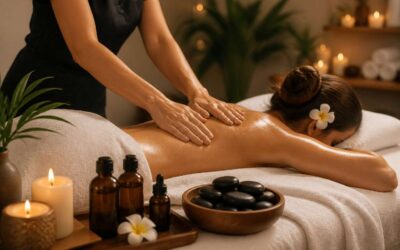
Topical applications offer a tactile, grounding approach to anxiety. In South African spa rooms and kitchen-table rituals alike, massage blends invite scent into the skin’s narrative, creating a warm, embodied calm. In the exploration of can aromatherapy help with anxiety, these skin-centered rituals deliver a slow, grounding touch.
Therapists favor skin-safe carriers like jojoba or sweet almond to cradle the oils as they glide over muscle and memory. The aim is a gentle, sensory conversation that eases tension in the shoulders, neck, and jaw.
- Lavender and chamomile for relaxation
- Bergamot and citrus for mood balance
- Ylang-ylang with sandalwood for ceremonial calm
As this approach unfolds, can aromatherapy help with anxiety becomes a felt practice rather than a promise.
Carrier oils, dilution guidelines, and safe usage
In aromatherapy, skin-centered rituals offer a tactile pathway to calm. Carrier oils like jojoba and sweet almond cradle essential oils as they glide over shoulders and neck, turning tension into a slow, grounded hum.
When asked can aromatherapy help with anxiety, the answer lies in mindful dilution and skin safety. For topical use, aim for about 2-3% dilution—roughly 2-3 drops per teaspoon of carrier—adjusting for sensitive skin or facial application.
- Carrier oils: jojoba, sweet almond, grapeseed
- Dilution: 1-3% depending on area; patch test
- Safe use: avoid eyes, mucous membranes, and broken skin
To keep the magic bright, patch-test behind the ear and store blends in a cool, dark place. In South Africa, these skin-centered rituals feel tactile, grounding, and wonderfully restorative.
Practical Guides for Choosing and Using Aromatherapy
Choosing high-quality essential oils: purity, labeling, and sourcing
In South Africa, roughly one in four adults reports anxiety coloring everyday life, a statistic that underscores the demand for accessible calming rituals. The question ‘can aromatherapy help with anxiety’ is common, and the answer rests on choosing high-quality oils—purity, labeling, and sourcing—that support a trustworthy experience rather than a quick mood lift.
Key considerations include:
- Purity and potency: 100% pure essential oil with no fillers or synthetic additives.
- Labeling transparency: botanical name, extraction method, batch number, expiry date.
- Sourcing integrity: reputable distillers, COA/GC-MS verification, responsible or sustainable practices.
- Origin notes: country of origin and safety notes.
With these guardrails, the aroma becomes a mindful companion rather than a mere fragrance, and can aromatherapy help with anxiety becomes more anchored in real-life choices.
How to create simple anxiety-relief blends at home
The question can aromatherapy help with anxiety reveals itself when blends are grounded in quality and intention. In South Africa, simple, home-based rituals offer a gentle reprieve from daily tension. A mindful diffuser becomes a quiet companion, not a fleeting scent, inviting breath, observation, and choice to lead the day.
Here are contemplative guides that honour depth over drama:
- Begin with balanced duets rather than overpowering solos to keep the mood steady.
- Choose notes that support calm—soft florals with earthy undertones tend to settle the breath.
- Document impressions in a small journal to notice which blends align with mood and routine.
A gentle presence, the aroma invites mindful breathing and quiet clarity in daily life.
DIY recipes: calming blends for daytime and nighttime
Many South Africans wonder can aromatherapy help with anxiety. The answer emerges when intention meets simple, daily ritual. Practical choosing means a mood-informed palette and clear daytime versus night goals, turning a quiet diffuser into a mindful companion rather than a passing fragrance.
Here are ready-to-use, low-friction recipes that honour ease, safety, and sensory clarity:
- Daytime calm: 3 drops sweet orange + 2 drops lavender in your diffuser to encourage steady breathing as you start the day.
- Desk-drift lull for midday: 2 drops bergamot + 1 drop frankincense to reset focus when tension piles up.
- Evening sleep blend (diffuser): 2 drops chamomile Roman + 2 drops sandalwood.
Allow the aroma to be a cue for breath; with gentle repetition, the day and night routines weave calm into South African life, one mindful inhale at a time.
Tailoring blends to individual symptoms such as restlessness and sleep difficulties
Practical guides for choosing and using aromatherapy begin with listening to the body. When restlessness gnaws at the day, seek mood-informed palettes that lift without shouting; for sleep difficulties, pursue grounding blends that hush the mind. In South Africa’s bustling homes, a simple ritual—breath, scent, pause—can turn a moment into a quiet sanctuary. The answer to can aromatherapy help with anxiety lies in intention and daily practice.
- Symptoms-first mapping: restlessness gravitates to uplifting notes; sleep difficulties respond to earthy, calming aromas.
- Blend-building basics: start with 2–3 oils, test on skin with a carrier, and observe mood shifts over days, not hours.
- Ritual framework: choose a regular time, keep blends simple, and store away from heat to maintain quality.
With this framework, choosing and using blends shifts from a quick aroma to a practiced ritual—one that honours tempo, breath, and place in daily SA life.
Patch testing and first-use safety tips
The question can aromatherapy help with anxiety? In South Africa’s homes, a cautious inhale can become a soothing ritual, provided patch testing protects sensitive skin and mood. A tiny test step lets you begin without surprises.
- Patch testing and careful first-use come from a spirit of respect. A gentle, skin-aware approach helps ensure the scent supports calm without irritation or a jolt.
First-use safety tips: keep expectations modest, observe your body’s signals, and avoid applying near eyes or broken skin. Choose oils from reputable sources and seek professional guidance if concerns arise.
With mindful practice, quiet ease can become a daily companion in SA life.
Considerations, Risks, and Limitations
Potential interactions with medications and medical conditions
In the hush before night, fragrance glides like a whisper through the mind. This raises the question: can aromatherapy help with anxiety, and what are the limits? It offers a quiet lantern for worry, yet it is no cure-all, especially where access to care can differ in South Africa.
Considerations and risks include potential interactions with medications and certain medical conditions. The following concerns are commonly noted:
- Medications: some sedatives, anticoagulants, or antidepressants may interact with essential oils.
- Medical conditions: liver or kidney disease, epilepsy, thyroid issues, or skin sensitivities.
- Pregnancy and breastfeeding: hormonal changes can alter effects and safety.
Limitations: efficacy varies by individual; essential oils are adjuncts, not substitutes for professional care. For South Africans navigating anxiety alongside health concerns, informed guidance remains essential.
When to seek professional help and avoid aromatherapy as a sole treatment
Globally, up to one in five people face anxiety yearly, and in South Africa access to care shapes the journey. People ask, “can aromatherapy help with anxiety,” and the answer is nuanced: a comforting companion, not a cure.
Considerations and risks include potential interactions with medications, medical conditions, and skin sensitivities; in SA, care varies, so consult before use.
- Seek professional guidance before combining with prescribed medications.
- Be attentive to skin reactions and discontinue if irritation occurs.
- Treat essential oils as an adjunct, not a substitute for medical care.
Limitations: efficacy varies by person; aromatherapy supports, but does not replace professional treatment. Seek help if anxiety worsens, or affects daily function. In South Africa, informed guidance remains essential.
Special populations safety: pregnancy, children, and sensitive individuals
Across SA and beyond, people ask can aromatherapy help with anxiety. It’s not a miracle cure, but it can provide a comforting companion when used thoughtfully.
Considerations include medication interactions, skin sensitivities, and allergic reactions. In pregnancy, breastfeeding, or with chronic conditions, seek clinician input before use.
- Pregnancy and breastfeeding safety: some oils are not recommended.
- Children and seniors: higher sensitivity; exercise caution.
- Sensitive individuals: skin conditions or fragrance sensitivities; monitor for reactions.
Limitations: efficacy varies by person; aromatherapy supports but does not replace professional treatment; if anxiety worsens or disrupts daily life, seek help. In SA, informed guidance remains essential.
Integrating Aromatherapy into a Coping Plan
Combining aromatherapy with other therapies such as CBT and mindfulness
Integrating aromatherapy into a coping plan brings a pulse to the stillness of anxiety. When used alongside CBT techniques and mindfulness, essential oils can set the scene for calmer moments and clearer thinking. The approach is not a magic cure, but a sensory ally that supports cognitive reframing and present-moment awareness. This combined approach asks: can aromatherapy help with anxiety?
Pairing with structured therapies creates a reliable rhythm. Short diffusion sessions or mindful breathing can become a routine anchor rather than a fleeting mood lift.
- CBT-informed breathing patterns
- Mindfulness moments aligned with diffusion
- Journaling to map triggers and relief signals
This harmony honours the body’s signals while inviting the mind to hover above the edge, offering a steady beacon through daily pressures.
Creating a daily routine and ritual around usage
One in five South Africans experiences anxiety at some point this year, a statistic that makes daily routines feel like a quiet revolution. The question can aromatherapy help with anxiety isn’t magic, but a sensory ally that threads calm through a busy day.
Integrating aromatherapy into a coping plan leans on consistency and intention. Create a daily routine that marks transitions—morning, midday, evening—and lets scent accompany breath and attention without overpowering it.
- Timing and cadence for day and night
- Sensory ambiance aligned with mood
- Gentle reflection to map relief signals
Across South Africa’s busy offices and homes, this quiet ritual can anchor present-moment awareness. The question can aromatherapy help with anxiety—the answer is nuanced, a harmony of scent and attention rather than a cure. Such mindful practice respects the body’s signals while offering a steady beacon through daily pressures.
Measuring impact: tracking mood, anxiety levels, and sleep
Integrating aromatherapy into a coping plan invites deliberate, data-informed calm. The question can aromatherapy help with anxiety isn’t magic; it’s a sensory ally that rewards patience. To measure impact, look at three signals—mood, anxiety levels, and sleep—letting patterns guide adjustments rather than guesswork. The aim is consistency over flash, a gentle lens through which daily pressures become navigable and present-moment calm rises.
- Mood fluctuations
- Anxiety intensity
- Sleep quality and duration
- Daytime focus and alertness
Across South Africa’s homes and workplaces, this measured routine invites a quiet, present mood that travels with the day. The data yarn—mood, anxiety, sleep—helps teams and individuals tune expectations without overcommitting, keeping conversations grounded in experience rather than bravado.
Where to buy reliable products and what to avoid
Integrating aromatherapy into a coping plan treats scent as a steady companion, not a miracle cure. It threads through morning rituals and quiet evenings, supporting present-moment awareness as you meet everyday pressures with steadier breath. The question can aromatherapy help with anxiety is answered by choosing reliable products and regular use.
- Shop with brands that publish ingredient lists and sourcing details
- Prefer single-ingredient oils or clearly labeled blends
- Avoid vendors offering vague claims, unknown dilutions, or synthetic fragrances
- Choose local SA retailers or reputable online platforms with clear return policies
That measured approach invites a respectful cadence, letting experience guide which scents fit and when to pause, rather than chasing abrupt relief. The result can be a quietly confident mood carried through the day.

0 Comments