Understanding sleep-focused aromatherapy
Key concepts and science behind sleep aromatherapy
Across rural skies fading to velvet, nights can feel out of reach. In South Africa, about one in three adults struggles to drift off, a truth that lands close to home. Scent, chosen with care, can cue the brain to slow and turn rest into a familiar ritual.
Understanding sleep-focused aromatherapy rests on two ideas: how smell travels and how the body responds. The olfactory system sends scent signals straight to the limbic brain, shaping mood and easing tension. Soothing constituents like linalool and pinene help slow breaths and quiet nerves.
- Olfactory cues engage the limbic system, guiding mood.
- Calming compounds slow heart rate and breathing.
- Regular cues reinforce sleep as part of the routine.
From science to bedside, the idea travels with care. The wisdom of aromatherapy oils for sleep thrives when blends are pure and used in a quiet, low-stimulation setting. The beauty lies in simplicity—a soft scent weaving through the room as night folds in.
Popular essential oils for sleep and their effects
Long after the day fades, the night becomes a canvas and scent is the brush. In South African bedrooms, sleep-focused aromatherapy moves from myth to practice, guiding the body to slow breaths and softened thoughts. The idea rests on the gentle truth that fragrance can cue routine without shouting for attention. Rather than overwhelm, the most effective blends whisper—clear, pure, and softly persistent through the room as dusk settles.
Among aromatherapy oils for sleep, lavender leads with a gentle floral sigh.
- Lavender: soothing linalool eases tension and invites slower breathing.
- Bergamot: citrus clarity combined with calming balm to lift stress.
- Chamomile: gentle sedative notes that ease racing thoughts.
- Ylang-ylang: earthy sweetness that restores balance without overpowering.
In a quiet diffusion or pillow spray, these notes weave a soft, restorative hush across the night.
How to choose a quality essential oil (purity, sourcing, and labeling)
South Africa’s bedrooms drift into dusk with a whisper of scent and sleep’s quiet invitation. In SA, about one in three people report sleep challenges, and scent can nudge the mind toward calmer breaths. Understanding sleep-focused aromatherapy means more than choosing a pretty note—it aligns fragrance with the body’s rhythm, softly and consistently. aromatherapy oils for sleep offer a humane, accessible path to rest.
Quality rests on three markers.
- Purity: 100% essential oils with no fillers.
- Sourcing: transparent origin and ethical harvest.
- Labeling: Latin name, origin, batch, and a current COA.
When these markers appear in the market, choices feel grounded—supporting the gentle resonance of aromatherapy oils for sleep.
Common misconceptions about sleep aromatherapy
In SA, one in three wrestles with sleep, and a single inhalation can tug the night toward rest. I listen for the hour, I trust the hush; understanding sleep-focused aromatherapy means listening to the body’s rhythm, not chasing a marquee note—the scent should suit that tempo, not romance the dark.
Common misconceptions about sleep aromatherapy include:
- Encounters with bold scents guarantee instant slumber—false!
- Any oil will do; purity isn’t the point
- Lavender alone is the silver bullet—myth, though soothing, is context-dependent
With nuance, these oils become companions, not talismans, guiding the mind toward calmer breaths—aromatherapy oils for sleep, handled with care.
Top essential oils and blends for restful nights
Lavender essential oil: calming properties and usage
“Calm is the gateway to dreamscapes,” whispers lavender to the night, and I feel the room soften, inviting restful hours to unfold in velvet darkness!
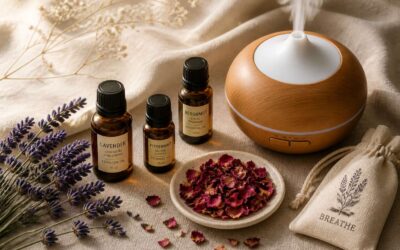
Lavender essential oil is famed for its soothing properties, quieting racing thoughts and easing stress. Often diffused at the bedside or used as a gentle pillow mist, it helps set the stage for deeper sleep. In aromatherapy oils for sleep, lavender acts as a quiet conductor, guiding breath toward stillness.
- Lavender + Bergamot: a citrus-herbal harmony that eases nervous energy.
- Lavender + Chamomile: a classic duet for daytime agitation calming into night.
- Lavender + Vetiver: earthier notes for grounding and ritual-like routine.
- Lavender + Sweet Orange: a softly uplifting blend that doesn’t disturb slumber.
On South African nights, this fragrant companion weaves through bedrooms like a dawn-colored mist, echoing through halls with the glow of aromatherapy oils for sleep.
Other sleep-supporting oils: chamomile, cedarwood, bergamot, and ylang-ylang
Across South Africa, sleep struggles are real: one in three adults reports restless nights. Aromatherapy oils for sleep offer a soft invitation to drift. Chamomile calms nerves; cedarwood grounds the mind; bergamot dissolves tension; ylang-ylang sweetens the air. Together, they compose a quiet lullaby that turns a dim room into a sanctuary where breath slows and worries drift away.
Top blends for restful nights include these gentle pairings:
- Chamomile + Cedarwood: grounding serenity that eases the evening into stillness
- Bergamot + Ylang-ylang: citrus-floral calm that doesn’t disturb slumber
- Single-chamomile: a soft nightcap for nights that crave tenderness
In that hush, aromatherapy oils for sleep become a compass toward deeper, restorative dreams.
Blends and synergistic combinations for bedtime routines
Across South Africa’s twilight, one in three adults wrestles with restless nights. Top essential oils and blends for restful nights conjure a hush over the room, where breath slows and the day dissolves — aromatherapy oils for sleep offer a nocturnal doorway, inviting stillness to wander in.
Here are synergistic blends for bedtime routines:
- Clary sage + sandalwood: earthy calm that hushes racing thoughts
- Neroli + patchouli: citrus-floral warmth that lulls the senses
- Vetiver + sweet orange: grounded depth with a gentle lift at dusk
Each pairing carries a note of mystery and solace, turning a dim bedroom into a sanctuary where worries drift away and dreams drift down!
Practical usage methods for evening aromatherapy
Diffusion methods, devices, and best practices
One in three adults reports sleep trouble, and in South Africa the trend mirrors that truth. A calm bedroom breathes easier when the air carries a gentle invitation to rest.
Diffusion methods come in three main flavors: ultrasonic diffusers that hum softly, nebulising diffusers that deliver pure oils, and simple heat-based devices. For best results, pick a cool-mist unit, fill to the marked line, and set it on a stable surface away from drafts. No lava lamps needed—just smart devices.
- Diffuse in the bedroom for 15–30 minutes before bed
- Use 3–5 drops of high-quality oils
- Place away from drafts and pets
- Clean the device weekly to prevent residue buildup
Set a timer, avoid using the diffuser while you’re getting into bed, and switch off if the scent grows overpowering. When used thoughtfully, aromatherapy oils for sleep help smooth the transition to dreamland.
Topical application: dilution rates and skin safety
Evening rituals deserve gentleness. When used topically, aromatherapy oils for sleep invite the body to unwind: a warm touch on the skin can soften tension and invite rest.
Dilution keeps the skin calm and the experience safe. For adults, a 2–3% blend is a sensible starting point; facial use should stay near 1%.
- Adults: 2–3% dilution (about 12–18 drops per 30 ml carrier oil).
- Face/neck: 1% dilution (about 4–6 drops per 30 ml carrier oil).
- Patch test and wash after applying; watch for irritation.
Always perform a patch test on the inner forearm and watch for redness or itching; if irritation occurs, dilute further or discontinue. In South Africa, store oils out of reach of children and pets.
Pillow sprays, room mists, and DIY routines
Sleep isn’t a luxury; it’s a nightly negotiation between your senses. “Sleep is a conversation between the senses,” quips a veteran sleep writer, and a well-timed pillow spray can kick off that dialogue before you even roll onto the pillow.
Pillow sprays and room mists should escort you gently toward rest. For a simple DIY spray, keep the aroma light—aromatherapy oils for sleep are most effective when the scent drifts rather than overwhelms. Lightly veil pillows or bedding and let the aroma settle, creating a calm, sleep-ready atmosphere.
A quick DIY routine could look like this:
- Choose a calming blend and mix into a safe spray base
- Lightly apply to linens and allow a moment for the scent to settle
- Refresh the aroma as your evening wind-down progresses
In South Africa, store oils out of reach of children and pets.
Bath and inhalation techniques for sleep support
Across South Africa, one in three adults battles sleep on weeknights. “Sleep is a conversation between the senses,” says a veteran writer, and a quiet ritual can start that dialogue. Evening baths and inhalation offer gentle entry points for rest through aromatherapy oils for sleep.
Bath time: a calm soak with a light blend settles the day.
- 3–6 drops in bath oil or milk
- Sit for 10–15 minutes, steam carries aroma
- Pat dry and slip into a soft robe
Inhalation techniques encourage calm breathing and easier transition to sleep.
- Boil water; add 2–4 drops into a bowl
- Lean over, cover head with a towel, inhale 4–6 breaths
- Exhale slowly and sit calmly for a moment
In South Africa, store oils out of reach of children and pets; choose quality, reputable brands.
Diffuser maintenance, replacement, and timing tips
Evening fragrances, kept in check, turn a room into a quiet theatre of rest. A diffuser is not a gadget but a confidant in the nightly dialogue of aromatherapy oils for sleep. When the reservoir stays clean and the aroma remains gentle, the ritual unfolds with ease—like a well-bred guest arriving at a drawing room after a long day. Proper care preserves calm and keeps the air welcoming, not overpowering.
Timing matters more than bravura. Let fragrance drift in as you wind down, then ease off before sleep deepens. A steady, predictable cadence supports the brain’s cues without jarring the senses, a finesse worthy of any South African lounge.
- Choose quality brands and keep reservoirs clean
- Establish a light replacement rhythm for parts and pads
- Align diffusion with your wind-down routine and room size
Safety, troubleshooting, and common pitfalls
Patch testing, skin sensitivity, and fragrance tolerance
In South Africa, one in three sleepers experiences a skin reaction when essential oils are introduced too abruptly into a nightly routine with aromatherapy oils for sleep. This is a gentle reminder that safety threads true rest.
Patch testing is your first line of defense, a ritual that preserves calm rather than disrupts it:
- Apply a small amount of a diluted oil (1–2%) to the inner forearm.
- Wait 24 hours for redness or itching to appear.
- If no reaction, proceed cautiously with diffusion or topical use.
Skin sensitivity varies; fragrance tolerance shifts with time and environment. Start with lighter blends, and avoid single-note oils near the pillow if irritation persists.
If headaches or nasal irritation arise, reassess exposure and blend compatibility. Pitfalls include assuming more is better and neglecting proper storage, which can dull fragrance and raise irritation risk.
Pregnancy, medications, and consulting a clinician
In South Africa, a truly restful night can hinge on safety. Aromatherapy oils for sleep promise calm, but pregnancy, medications, and rushed routines can derail relief before you drift off.
Troubleshooting keeps the calm intact. If headaches, nasal irritation, or cough appears, cut exposure, lower dilution, and swap to gentler blends. A brief diary helps you spot patterns and avoid repeats.
Common pitfalls include assuming more is better and neglecting proper storage. Keep bottles cool, away from heat and children, and resist the urge to layer scents without testing compatibility.
During pregnancy or while on medication, consult a clinician before introducing aromatherapy oils for sleep. Some oils are contraindicated or interact with drugs, and professional guidance keeps risk low and rest possible.
- Consult a clinician before use during pregnancy.
- Review current medications for potential interactions.
- Choose clearly labeled, low-dilution blends.
Quality, adulterants, and how to read labels
Safety anchors every breath we take when the night yawns. In South Africa, quality begins with honest labeling and clean sourcing—demand COA results and a clear botanical name. Aromatherapy oils for sleep promise calm, yet adulterants and vague marketing can steal the rest you crave. Read labels for a precise ingredient list, country of origin, and batch numbers; avoid vague terms like fragrance and blends without specifics. Store bottles cool and out of reach from children to preserve potency and safety.
Troubleshooting whispers: some sleepers report headaches, nasal irritation, or coughs—patterns worth listening to rather than ignoring. A mindful diary helps you spot when a scent calms or unsettles, and where quality gaps appear. Common pitfalls—believing more scent means better rest and neglecting storage—trip us up far more often than we admit.
Avoiding overpowering scents and sleep disruption
In the hush before midnight, safety centers every breath. For aromatherapy oils for sleep, South African readers know that honest labeling and clean sourcing matter—seek COA results and a clear botanical name. Store bottles cool, out of reach from children, and avoid containers that feel warm or bear vague terms on the label.
- Verify COA and botanical name to ensure purity
- Note batch numbers and country of origin for traceability
- Patch-test on skin and observe for irritation
Troubleshooting whispers: if headaches or nasal irritation arise, listen rather than dismiss. A mindful diary helps pinpoint which scent calms or unsettles and where gaps in quality appear. Common pitfalls—believing more scent equals better rest and neglecting storage—trip us up far more often than we admit.



0 Comments