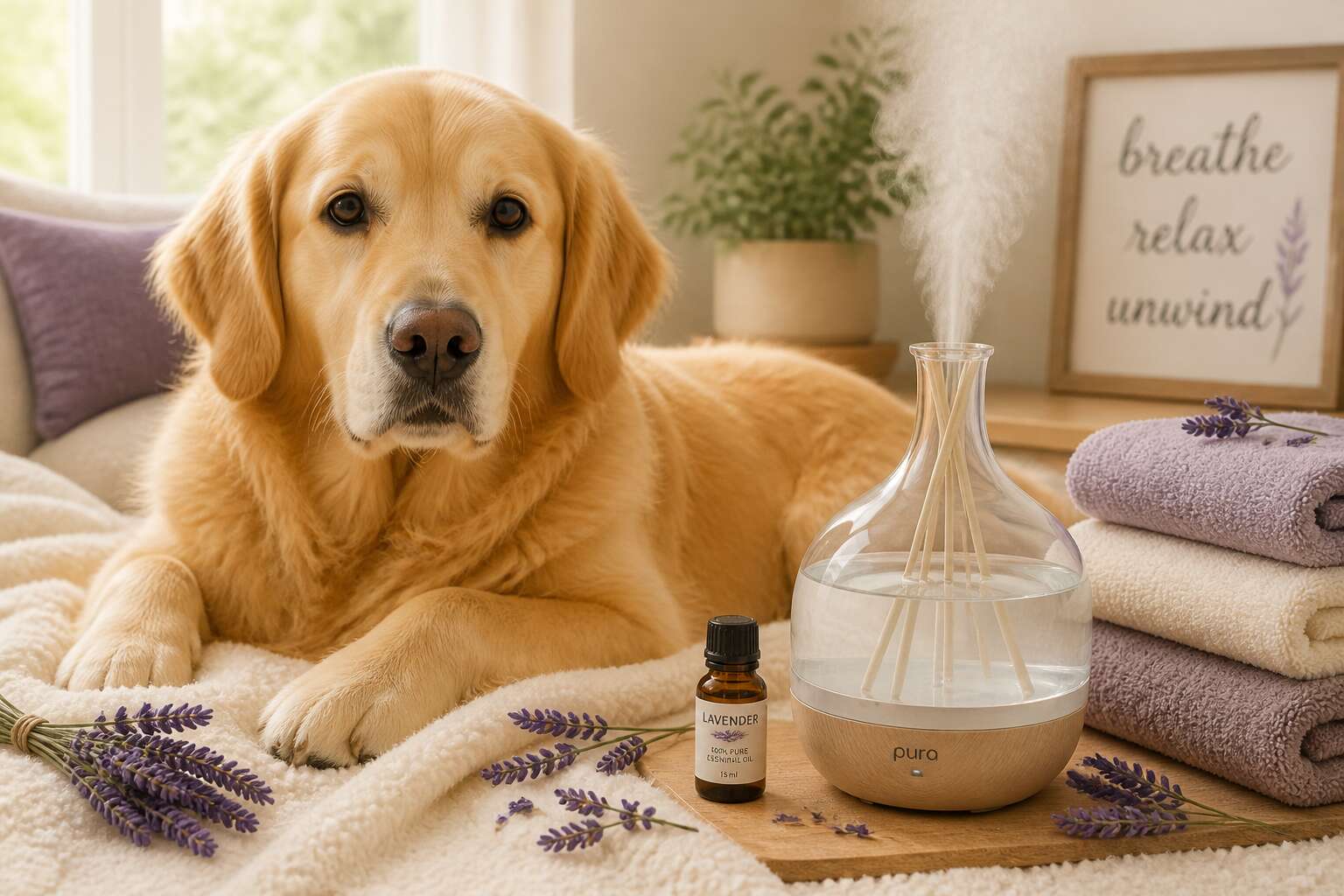
Understanding Aromatherapy for Canines
The Basics of Essential Oils and How They Work
Essential oils enter a dog’s system faster than most owners realise. Through inhalation, dermal absorption, or even ingestion, these volatile compounds interact with the limbic system and olfactory receptors. A dog’s sense of smell is up to 100,000 times more sensitive than ours, making aromatherapy a profound sensory encounter. Understanding what aromatherapy is safe for dogs starts with this principle.
Each oil’s chemical structure dictates its biological response. Linalool in lavender calms the nervous system, while eugenol in clove can irritate. Absorption routes vary:
- Inhaled molecules go straight to the brain
- Skin contact lets compounds enter the bloodstream via capillaries
- Mucous membranes absorb smaller amounts quickly
That sensitivity demands careful dilution and selection!
Why Dogs Have a Heightened Sense of Smell
Your dog’s nose contains 300 million olfactory receptors. Mine, like yours, has about six million. That difference affects every sniff. I have watched my spaniel identify a single rabbit trail out of a park full of competing odours. This is not a party trick. It is biochemistry.
The vomeronasal organ adds pheromone detection, another layer of information. So when you ask what aromatherapy is safe for dogs, the answer depends on this superior apparatus. An oil’s aroma to you becomes a complex chemical dossier to your dog.
This explains why caution is essential. Dilution rules exist for a reason. Your dog’s nose does not need a stronger scent. It needs a quieter one!
Key Benefits of Aromatherapy for Dogs
Aromatherapy for canines is not a trend. It is a practice built on measurable physiological responses. The right oils, properly diluted, can influence mood, stress levels, and even recovery. However, the margin between therapeutic benefit and adverse reaction is narrow.
What aromatherapy is safe for dogs depends on the oil, the dose, and the delivery method. Certain oils support calm behaviour. Others assist with skin irritation or joint discomfort. The benefits emerge when you respect the animal’s biology.
Consider these observed effects:
- Lavender reduces anxiety in shelter environments.
- Chamomile supports restful sleep.
- Frankincense aids deep breathing.
Each benefit requires careful selection. Your dog’s nose processes every molecule. Choose accordingly!
Common Myths About Using Essential Oils with Pets
Nearly one in three pet owners has used essential oils on a dog without veterinary guidance. That number should unsettle you. It unsettles me. The myths about what aromatherapy is safe for dogs are repeated with alarming confidence.
- A natural oil is always safe
- Dogs will move away from a scent they cannot handle
- Oils made for humans suit canine biology
Each of these assumptions fails under examination. Canine physiology is not a smaller version of our own. Phenols and citrus compounds, harmless to us, can overburden a dog’s liver and skin. Another persistent myth is that a dog’s nose will protect the animal by rejecting harmful aromas. Some dogs become transfixed by unfamiliar scents, remaining in place until they become unwell.
So what aromatherapy is safe for dogs? Very few oils, and only with careful veterinary guidance. The rest is not worth the risk.
Safe Essential Oils for Dogs and Their Uses
Lavender: Calming and Sleep Support
Lavender was the first oil I reached for when my rescue terrier began pacing at sunset. The active compounds, linalool and linalyl acetate, interact with canine olfactory receptors to ease nervous tension. When asking what aromatherapy is safe for dogs, lavender is the most dependable answer.
For sleep support, I offer two simple applications:
- One drop on the dog’s bedding, never directly on the skin
- A gentle mist into the room before turning down the lights
The calming effect appears within fifteen minutes, soothing anxious pacing and encouraging rest. Owners report deeper sleep, which helps dogs recover from daily stressors. Lavender works gently and reliably, making it a trusted choice for first-time users. It is a gentle entry point into canine aromatherapy when used at low dilutions.
Chamomile: Anxiety and Tension Relief
Chamomile offers a different kind of relief. While lavender eases evening anxiety, chamomile targets daytime tension without drowsiness. Its active compound, bisabolol, reduces stress signals in the brain. After a loud thunderstorm, I sprayed a fine chamomile mist near my anxious greyhound. She stopped trembling within minutes.
For owners asking what aromatherapy is safe for dogs, chamomile ranks highly. It is gentle on sensitive noses and rarely irritates skin. Use only true chamomile, never roman chamomile, which can trigger allergies. The difference matters.
Common uses include:
- Diffusing chamomile during car rides to reduce travel anxiety
- Placing one drop on a bandana tied around the collar
- Misting the kennel before closing the door
Results appear quickly. The dog settles, the breathing steadies, and the tension slips away.
Frankincense: Immune System Booster
Frankincense comes from the resin of Boswellia trees. For dogs, this oil supports the immune system at a cellular level. It encourages healthy circulation and helps the body maintain its natural defenses. When I diffuse frankincense during my dog’s recovery from a minor infection, I notice a steadiness in her energy.
For owners asking what aromatherapy is safe for dogs, frankincense offers a gentle option. It is grounding without being heavy. Its scent is woody and subtle, unlike the sharpness of citrus oils.
Common uses:
– Diffuse during seasonal changes to support immunity
– Dilute and massage into the paw pads
– Add a drop to a cotton ball near the sleeping area
The oil works slowly but consistently. It does not overwhelm the senses. It simply strengthens.
Cedarwood: Relaxation and Insect Repellent
Cedarwood oil comes from the bark and needles of cedar trees. Its scent is woody and dry, familiar to anyone who has opened an old chest. For dogs, this oil serves two purposes at once. It steadies a restless mind, and it acts as a gentle insect repellent. In rural areas, cedarwood has long kept moths away from wool, and the same principle works for ticks and fleas on a dog’s coat.
For owners asking what aromatherapy is safe for dogs, cedarwood is a reliable answer. It does not demand immediate attention. The oil settles into the fur and bedding, releasing its presence slowly over hours.
Common uses:
– Diffuse a few drops in the room during evening hours to encourage settling
– Mix one drop with a teaspoon of carrier oil and wipe along the dog’s collar
– Add a drop to the dog’s sleeping mat to deter insects
The relief is less about sudden change and more about a constant, surrounding calm.
Cardamom: Digestive Comfort
Cardamom has a reputation for settling human stomachs, and it extends the same courtesy to dogs. The oil, extracted from seeds inside pale green pods, carries a warm, slightly citrusy scent. It works quietly. A single drop diffused in the kitchen while dinner is prepared can reduce the likelihood of an untidy interruption.
For owners who ask what aromatherapy is safe for dogs, cardamom is a solid answer for the gurgling hours after an unapproved snack. It steadies the digestive system without making the animal drowsy. The scent pairs well with the evening routine. The dog may not connect the smell with relief, but the body remembers. I have seen it happen more times than I can count, and it never fails to amuse me. The result is a calmer household, one where the sofa remains undisturbed and the carpet stays clean. Trust me on that!
Ginger: Motion Sickness and Nausea Aid
For owners asking what aromatherapy is safe for dogs, ginger offers a practical answer when motion turns the stomach. A short trip can leave a brave hound drooling and miserable. Ginger oil, with its sharp peppery scent, addresses nausea without sedation. Diffuse a single drop in the car before departure. The effect is swift but subtle.
Ginger also helps after a dog eats something questionable. One drop in a diffuser for ten minutes can settle the gurgling.
- A single diluted drop on a bandana near the crate works well.
- Two drops in a ventilated room cover longer journeys.
- A sniff from the palm familiarizes the animal with the aroma.
The stomach settles within minutes. The car remains clean. Ginger does not cure every canine ailment, but for travel sickness it earns its place.
Dangerous Essential Oils to Keep Away From Dogs
Highly Toxic Oils for Canines
Some essential oils pose immediate danger to dogs, and recognizing them matters as much as knowing the safe ones. Tea tree oil, though common in human skincare, can trigger tremors and weakness in canines. Wintergreen and sweet birch contain methyl salicylate, a compound toxic even in trace amounts. Garlic and clove oils damage red blood cells, while pennyroyal threatens liver function.
The following oils are highly toxic for dogs:
- Tea tree (melaleuca)
- Wintergreen and sweet birch
- Pennyroyal
- Garlic and clove
- Ylang ylang
In my experience, determining what aromatherapy is safe for dogs begins with ruling out these substances entirely. A few drops diffused in a small room can trigger respiratory distress or neurological symptoms within minutes. Keep every bottle out of reach, and check labels for hidden blends that may contain these oils.
Recognizing the Symptoms of Essential Oil Poisoning
When the question of what aromatherapy is safe for dogs arises, the answer starts with vigilance. Even with toxic oils removed from the home, accidental exposure happens. A spilled bottle on the carpet or an opened capsule can put your dog at risk before you notice. The clinical picture of poisoning often begins with drooling and pawing at the mouth, followed by unsteady movement. More severe cases involve muscle tremors, vomiting, or a sudden drop in energy. Breathing may become laboured, and some dogs collapse without warning. The onset can be swift, so observation matters.
I have seen owners mistake early symptoms for tiredness or a minor stomach upset. That delay costs precious time. Signs to monitor include:
- Excessive drooling or foaming
- Wobbling or loss of coordination
- Rapid breathing or wheezing
- Pale gums or elevated heart rate
Any of these after oil exposure warrants immediate veterinary attention. Knowing what aromatherapy is safe for dogs also means knowing how poisoning presents. Keep the number of your nearest emergency vet visible. A dog cannot tell you what it smells, but its body will.
Immediate Steps to Take After Accidental Exposure
What aromatherapy is safe for dogs becomes a secondary question once a dog has already found the tea tree oil. The priority shifts from prevention to response. A dog that has licked a spill or absorbed oil through its paws needs intervention within minutes, not after you finish reading an article.
- Remove the dog from the contaminated area and open every window.
- Wash the affected skin with warm water and mild dish soap. Do not use harsh cleaners.
- Call your veterinarian or the nearest animal poison centre before you do anything else!
Do not induce vomiting unless a professional tells you to. Some oils cause more damage coming back up. Keep the oil bottle near the phone so you can name the exact product. The vet will ask about volume, strength, and time since exposure. Having those details ready turns a frantic phone call into a useful one.
Safe Administration Methods for Aromatherapy
Diffusing Essential Oils: Room by Room Guidelines
Diffusing oils room by room sounds like olfactory musical chairs, but the stakes are higher when a wet nose is involved. In the bedroom, keep the diffuser at least three meters from the sleeping area; a dog’s retreat matters more than your ambience. For the living room, use short bursts of ten minutes, then let the scent dissipate. The bathroom, however, is a no-go for strong blends. If you are still asking what aromatherapy is safe for dogs, remember that the space itself changes the risk. A small enclosed toilet with steam magnifies concentration. Use open windows and place units near air currents.
- Bedroom: place diffuser on a high shelf
- Living room: run for ten minute cycles
- Bathroom: skip unless the door stays open
Each room has its own air volume, so a spacious lounge allows more leeway than a compact hallway. Adapt exposure to the room’s size, not the other way around.
Topical Application: Proper Dilution Ratios
Topical application changes the question entirely. When you ask what aromatherapy is safe for dogs, the answer moves from scent to skin absorption. A dog’s skin is thinner than human skin, and their liver lacks certain enzymes. Dilution ratios that suit humans can overwhelm a canine system.
For most adult dogs, a 1% dilution is the ceiling. One drop of essential oil per teaspoon of carrier oil is the standard. Coconut, jojoba, and sweet almond oils make reliable bases. Puppies and senior dogs need half that strength.
Apply to the paw pads, the back of the neck, or along the spine where dogs cannot lick. The belly is too sensitive for most blends. Monitor the application site for redness over the next hour.
- 1 drop essential oil per 1 teaspoon carrier oil for a 1% dilution
- Half a drop per teaspoon for puppies or seniors
- Never use water as a carrier; it separates and concentrates the oil
The skin absorbs what is placed upon it. What you apply on the outside travels inward, so measure with care.
Creating Safe Inhalation Sprays for Dogs
Creating a safe inhalation spray for your dog requires more discipline than mixing a diffuser blend. The goal is a gentle mist, not a direct blast of aromatic vapor. When asking what aromatherapy is safe for dogs, the delivery method matters as much as the oil. What aromatherapy is safe for dogs comes down to the carrier and the concentration. For a 100 ml spray, use no more than five drops of a dog-safe essential oil. Add solubol or a dash of high-proof vodka to disperse the oil in distilled water, then shake well before each use.
Spray the room, not the dog. A couple of pumps into the centre of the room, away from food bowls, allows the mist to settle. Wait a minute before letting your dog back in. A dog’s nose detects chemical scents at far lower thresholds than a human nose, so less is genuinely more.
Using Aromatic Bedding and Toys
When considering what aromatherapy is safe for dogs, bedding and toys provide a practical delivery method that avoids overwhelming the nose. Place a single drop of diluted lavender or chamomile on the corner of your dog’s sleeping blanket, then let it dry for ten minutes. The scent disperses at a level your dog can tolerate.
For toys, add one drop of dog-safe essential oil to a cotton ball and tuck it inside a pocket or knot it into a rope toy. Rotate the toys every few days to keep the scent fresh without saturating the fabric.
Keep these parameters in mind:
- Use only oils already proven safe for canines
- Wait for the oil to dry before giving the item to your dog
- Wash bedding and toys weekly to remove residue
Why Consulting Your Veterinarian Comes First
Every aromatherapy session with your dog begins with one conversation. Ask your veterinarian what aromatherapy is safe for dogs before you measure a single drop. Your vet accounts for breed, age, liver function, and existing conditions. Essential oils metabolize differently across species, and a product that calms one dog might distress another.
Safe administration methods share a common foundation. I always tell pet owners to start with low concentration, observe their dog’s body language, and never force exposure! The right method depends on your dog’s personality and health profile.
- Request a veterinary recommendation for your dog’s specific needs
- Begin with the gentlest administration method available
- Monitor your dog closely during the first few sessions
Your veterinarian might favour diffusion over topical application, or suggest a spray for travel anxiety. Their guidance shapes how you proceed. When you know what aromatherapy is safe for dogs, you can introduce scents with clarity and confidence.
Monitoring Your Dog’s Reaction to Aromatherapy
Physical Symptoms of Intolerance or Allergies
Watching your dog after introducing any new scent is the only reliable way to judge tolerance. Physical symptoms often surface within hours, sometimes sooner. Redness on the belly, excessive scratching, or watery eyes all point to an intolerance. Even a gentle oil can trigger a reaction in a sensitive animal.
I always tell owners to check the ears and paws first. These areas show inflammation quickly.
- Hives or raised welts on the skin
- Sneezing or nasal discharge
- Lethargy that lasts beyond a nap
- Vomiting or loose stool
These signs mean stop immediately and wash off any residue. Determining what aromatherapy is safe for dogs depends on each animal’s unique chemistry, so keep a diary of every session. Note the oil, the amount, and the response. That record becomes your most reliable guide.
Behavioral Changes and Stress Signals
Behavior often tells you more than any symptom chart. A dog that suddenly retreats to a corner, refuses treats, or paces without settling is signaling distress. These stress signals are your dog’s way of saying the scent is overwhelming, even if the oil is considered gentle.
Watch for subtle shifts like lip licking, yawning, or a tucked tail. These are not always relaxation cues. They can indicate nausea or anxiety. When you notice these signs, remove the dog from the space and ventilate the room.
- Excessive drooling with no food nearby
- Whining or barking at the diffuser
- Repeated yawning or lip licking
Tracking these reactions is essential when determining what aromatherapy is safe for dogs. Each animal responds differently, so a calm session today does not guarantee the same tomorrow. Keep sessions short and observe the full recovery period.
When It’s Time to Stop and Seek Emergency Care
Most adverse reactions surface within 30 minutes, though some take hours. This delayed response catches owners off guard.
When I recommend aromatherapy for a nervous rescue dog, I advise a trial window. Watch your dog for the first full hour, then keep observing for the rest of the day.
A single sneeze is not an emergency. Neither is a brief head turn. But these signs demand attention:
- Laboured breathing that persists after ventilation
- Repeated vomiting
- Sudden weakness or collapse
- Seizures or tremors
Each warrants immediate veterinary care. Do not wait for symptoms to pass. Time matters.
Understanding what aromatherapy is safe for dogs requires this vigilance. The safest oil becomes dangerous the moment your dog’s body rejects it. Trust your observation over any label. A South African emergency vet will ask what oil was used, how it was administered, and when symptoms began. Those details matter!
Essential Oil Safety Rules Every Dog Owner Should Know
General Safe Practices for Home Use
Essential oil safety starts before the bottle opens. Store every oil in a sealed container, high on a shelf or locked away. Dogs are curious. A dropped bottle can become a disaster. Choose pure, therapeutic grade oils from reputable suppliers. Impurities create unpredictable risks.
Knowing what aromatherapy is safe for dogs means respecting their biology. Never apply oils directly to fur or skin without a carrier oil. Keep all oils away from eyes, ears, nose, and mouth. Observe your dog’s demeanour. Some dogs dislike certain scents. That dislike signals caution.
A few general rules cover most households:
- Keep oils out of reach
- Never leave a diffuser unattended
- Give your dog an escape route from scents
- Wash your hands after handling oils
Every dog responds differently. What suits one might overwhelm another. Let your dog’s behaviour guide every decision. I have seen owners assume natural means harmless. That assumption causes the most problems!
Age and Health Considerations for Dogs
Age changes how a canine body responds to aromatic compounds. Puppies have immature liver enzymes, which means they process essential oils far slower than adult dogs. Senior dogs with chronic conditions such as renal insufficiency or hepatic disease carry the same vulnerability. What aromatherapy is safe for dogs depends entirely on these biological realities.
Health status also dictates caution. Dogs with epilepsy should avoid stimulating oils altogether, while those with asthma or bronchitis need gentler diffusion methods. Pregnant or nursing females warrant special consideration, as their metabolic load already runs high.
- Puppies under ten weeks: inhalation only, never topical
- Senior dogs with organ disease: consult your vet before any exposure
- Dogs on medication: check for interactions with common drugs
Each condition shifts the risk profile. What works for a healthy adult might overwhelm a fragile geriatric patient, so match every aromatic choice to your dog’s specific stage of life.
Proper Storage and Handling of Essential Oils
Proper storage begins with the bottle itself. Dark glass protects volatile compounds from light degradation, and a childproof cap keeps curious hands away. Keep oils in a cool, dry cabinet, beyond the reach of snuffling muzzles. Heat and humidity accelerate oxidation, turning a gentle oil into an irritant.
Handling demands the same reverence. Wash hands before and after contact. Never pour straight from the bottle; use a clean dropper. Contamination introduces bacteria, and bacteria changes the chemistry entirely.
Follow these rules without exception:
1. Always dilute before topical application.
2. Never apply near eyes, nose, or mouth.
3. Store each oil in its original labelled container.
4. Discard any oil that smells off or turns cloudy.
These habits determine what aromatherapy is safe for dogs. A neglected bottle or careless hand turns a therapeutic practice into a hazard. Knowing what aromatherapy is safe for dogs also means knowing when to throw a bottle away.
Building a Dog-Safe Aromatherapy Kit
A single careless choice can turn a comforting ritual into a crisis. Building a dog safe aromatherapy kit requires understanding what aromatherapy is safe for dogs before any bottle touches your shelf. Start with one high quality lavender oil and a gentle carrier like coconut or jojoba. Patch test a tiny diluted drop on your dog’s inner thigh. Wait twenty four hours for any redness or swelling.
A proper kit holds only the essentials:
- One or two pre diluted oils
- A clean glass dropper
- A labelled dark bottle for each blend
That small collection keeps toxic oils away and prevents confusion during stressful moments. Knowing what aromatherapy is safe for dogs means equipping yourself with restraint, not an arsenal. Every oil you do not buy is a risk you never take.


0 Comments