Safety foundations for aromatherapy inhalers
What an aromatherapy inhaler is and how it works
In sunlit rooms across South Africa, a single inhale can calm a storm of thoughts. A recent survey found 68% of South Africans notice calmer moods within 15 minutes of inhaling. are aromatherapy inhalers safe?
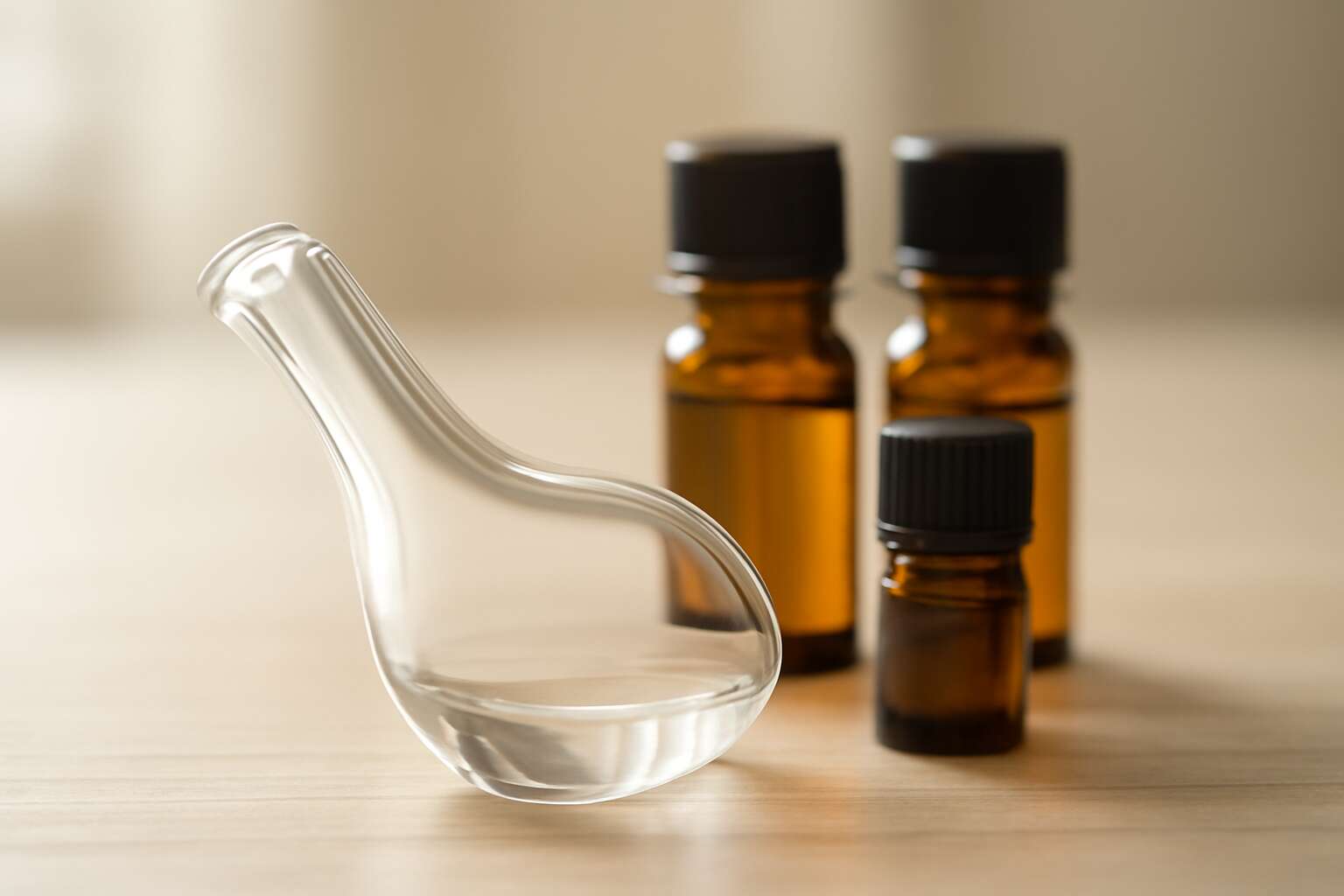
An aromatherapy inhaler is a compact vial with a wick and pad. When you bring it to your nose, volatile oils diffuse gently, as whispers to the olfactory receptors, shaping mood without combustion.
Foundations of safety lie in choice, context, and respect for the senses:
- Diffusion, not heat, delivers aroma.
- Oil quality from reputable sources matters.
- Sensitivity varies; awareness of personal thresholds is advised.
Used thoughtfully, these tools weave fragrance into daily life with grace and clarity.
Common essential oils and their safety profiles
Are aromatherapy inhalers safe? In sunlit South African rooms, safety rests on diffusion without heat, on oils from reputable sources, and on listening to personal sensitivity. When these foundations hold, the inhaler becomes a gentle companion—whispers of scent that settle thoughts rather than rattle them.
Common essential oils and their safety profiles vary, but some general notes apply:
- Lavender — typically calming and widely tolerated; monitor for personal sensitivity and discontinue if irritation arises.
- Eucalyptus — offers a fresh clarity; can be overpowering or irritating in high concentrations; use with caution if you have respiratory conditions.
- Peppermint — energising and refreshing; strong menthol content may irritate mucous membranes in sensitive individuals.
- Tea tree — antiseptic and robust; best used with care around children and in well-diluted forms to avoid overwhelming scent.
Who should avoid or exercise caution
Safety for aromatherapy inhalers in sunlit South African rooms rests on three foundations: gentle diffusion, oils from reputable sources, and listening to personal sensitivity. When these hold, the inhaler becomes a calm companion rather than a loud interruption. In reality, are aromatherapy inhalers safe when used with care? The path is modest—start with small puffs, avoid heat, and respect your body’s early signals before expanding use.
- Pregnant or breastfeeding individuals should consult a clinician before use.
- People with asthma, COPD, or other respiratory sensitivities should exercise caution.
- For children under six, inhaler use is generally discouraged without guidance.
- Keep inhalers away from pets and store oils properly.
Your body’s signals are reliable tutors. If irritation, coughing, or dizziness emerges, stop and reassess. Are aromatherapy inhalers safe? Yes, when you listen to your senses and seek appropriate advice.
Potential side effects and allergy signs
In sun-drenched South African rooms, safety for aromatherapy inhalers rests on three foundations: gentle diffusion, oils from reputable sources, and listening to your body’s signals. When these align, the inhaler becomes a quiet companion rather than a jarring interruption. And yes, are aromatherapy inhalers safe? They are—when care informs choice and awareness of personal sensitivity.
Potential side effects and allergy signs can surface even with mindful use. Watch for the following:
- Irritation of the nose or throat
- Headache or dizziness
- Coughing or throat irritation
- Skin redness or a rash at contact points
- Wheezing or shortness of breath
Your body’s signals remain reliable tutors. If irritation or dizziness emerges, take a moment to observe and reflect. Are aromatherapy inhalers safe? They are, when you listen to your senses and stay attuned to any signs of discomfort.
Regulatory and quality considerations
In sun-dappled rooms across Cape Town to Pretoria, safety dances at the edge of every inhale. are aromatherapy inhalers safe? The answer glimmers when the world of regulation and quality hums softly in the background.
- Ingredient transparency
- GMP-aligned production
- Batch traceability and third-party testing
- Clear labeling and expiry dates
Regulatory and quality considerations in South Africa expect that products used for aroma healing meet safety guidelines, with emphasis on allergen disclosures and reputable sourcing.
When these foundations align, the inhaler becomes a trusted companion rather than a novelty, a tiny lantern lit by care and credibility.
Product quality and ingredient considerations
Sourcing and purity of essential oils
“Quality is not an act, it is a habit,” a maxim that guides every decision behind a safe inhaler. That question, are aromatherapy inhalers safe, has its roots in sourcing and purity of essential oils. A responsible line will disclose origin, species, and distillation method, plus closed-loop traceability from field to bottle.
Sourcing and purity details matter because adulterated or contaminated oils can undermine safety. Third-party certificates, batch numbers, and testing reports offer reassurance. The following checks help ensure reliability:
- Transparent origin and harvest information
- Independent purity testing (GC-MS, COA)
- Proper dilution, fragrance integrity, and packaging safety
- Freshness, shelf life, and storage requirements
In the end, are aromatherapy inhalers safe depends on how oils are sourced and maintained—silence is not golden here; evidence-backed practice is.
Inhaler device materials and compatibility
A striking 60% of consumers say material safety would influence their choice of inhaler. The question are aromatherapy inhalers safe hinges on the materials inside the device—the shell that keeps oils separate, the seals that keep vapors contained, and the wicks that ferry scent.
Product quality rests on how ingredients and the device interact. In inhaler design, materials must be inert to essential oils and free from leachable contaminants. The following considerations help maintain integrity:
- Inhaler shell materials: BPA-free plastics or glass with inert coatings
- Seals, wicks and valve components: oil‑compatible elastomers
- Packaging and storage: protective, light‑blocking containers
In South Africa, safety expectations align with global standards that demand inert, non-reactive materials, providing users with confidence whenever they inhale.
Avoided additives and synthetic fragrances
In a recent industry note, 60% of consumers say material safety shapes their inhaler choice. Product quality hinges on inert interiors and the absence of leachables.
The question “are aromatherapy inhalers safe” hinges on how ingredients meet the device. Avoided additives and synthetic fragrances ensure purity and reduce risk.
- leachables testing for contaminants
- oil-compatible seals and elastomers that tolerate essential oils
- packaging that shields contents from light and air
This focus on materials and ingredient integrity underscores why safe inhalation feels like a quiet, daily trust. In South Africa, safety expectations align with global inert-material standards.
Labeling and ingredient transparency
In markets where every inhalation feels like stepping into a trusted chamber, 60% of consumers say material safety shapes their inhaler choice. And in this quiet economy of trust, are aromatherapy inhalers safe remains less about whirring machines and more about the stories on the label.
Product quality hinges on inert interiors that don’t whisper leachables, and on ingredient choices that speak softly to purity. Labeling and ingredient transparency become the traveler’s compass, guiding my selection with clarity and confidence.
- Clear ingredient lists that reflect each essential oil and carrier
- Batch numbers, expiry dates, and storage recommendations
- Warnings, usage directions, and contact information for safety inquiries
In South Africa, this ritual mirrors global inert-material standards, inviting a daily ritual of safe inhalation.
Usage guidelines and best practices
Step-by-step inhaler usage
Breath whispers secrets in the South African air, and the question lurks in the shadows: are aromatherapy inhalers safe? The answer isn’t a simple yes or no; it hinges on choice of essential oils, the device, and mindful handling to keep the ritual serene rather than fraught.
Step-by-step inhaler usage follows a calm, measured rhythm — not a sprint, but a mindful rite.
- Check the inhaler for residue and ensure the cap is secure before use.
- Remove the cap, hold the inhaler at a comfortable distance from the nostril, and inhale gently.
- Close lips, pause, and exhale slowly to complete the cycle.
- Cap the device, wipe clean, and store away from heat.
For longevity and safety, storage matters in South Africa’s hot seasons. Keep away from direct sunlight, clean the mouthpiece regularly, and never share to avoid cross-contamination — while mindful use keeps the experience alive, are aromatherapy inhalers safe when guidelines are respected.
Dosage, frequency, and duration recommendations
Sunlight drapes Cape Town roofs as you draw a whispered scent into the room; a gentle ritual that asks a bold question: are aromatherapy inhalers safe? The answer rests on three winds: the essential oils you select, the device you cradle, and the care you bring to each breath. In mindful practice, dosage becomes a melody, not a rush.
- Begin with a gentle inhalation to test tolerance and aroma intensity.
- Spread sessions across the day to avoid overuse and build a balanced rhythm.
- Hold each breath briefly, then exhale slowly; allow a moment between bursts.
- Cease if irritation, headaches, or dizziness occur, and seek guidance.
Let your practice be a ritual, not a test: listen to your body, adjust oils, and pause if warmth or irritation arises.
Safe use around kids and pets
“Safety is a soft discipline that shapes every breath,” a guiding note for mindful practice I carry into every session. Are aromatherapy inhalers safe? With careful handling, the answer rests on three guardrails: the oils you select, the device you cradle, and the care you bring to each breath.
Let your sessions be anchored in child- and pet-safe routines. Start with a low concentration, test tolerance, and never apply near curious hands or sensitive noses.
- Store inhalers out of reach of children and animals.
- Use child-resistant caps and locked storage.
- Choose essential oils with cautions around pets (e.g., avoid strong citrus around birds, check for feline-safe guidelines).
I rinse my hands after use, clean the device as recommended, and pause if irritation arises; consult a practitioner if pregnancy, asthma, or ongoing medication concerns.
Storage, travel, and shelf life
“Safety is a breath that lasts longer than a moment,” a guiding note that travels with every session. So, are aromatherapy inhalers safe? The answer starts with mindful storage, careful travel, and a respect for shelf life, especially in sun-drenched South African homes.
Smart storage is the quiet gatekeeper. Keep inhalers in a cool, dry spot away from direct sun and heat. When not in use, ensure the cap sits firmly and the device rests upright; travel in a protective pouch to limit leaks and knocks.
Shelf life details vary by blend and device; the label usually indicates a timeframe, after which aroma and potency fade. Remember, are aromatherapy inhalers safe only when treated with proper storage, mindful travel, and respect for shelf life.
Contraindications for pregnancy and medical conditions
Breath is a compass, guiding mood and clarity through a sunlit room in Cape Town or a rain-washed kitchen in Joburg. So, are aromatherapy inhalers safe? The answer starts with mindful usage, gentle spaces, and a careful selection of oils—woven to fit the South African light and air you live with each day.
Usage guidelines and best practices hinge on quiet attention: use in well-ventilated spaces, avoid direct inhalation of concentrated vapors, and keep devices clean and capped when not in use. In SA homes with sun and heat, shield your inhaler from harsh light and ensure your room breathes freely—your senses will thank you.
Contraindications for pregnancy and medical conditions require thoughtful care. The following considerations help keep your journey serene:
- Pregnancy or nursing status
- Respiratory or cardiovascular conditions
- Known oil allergies or skin sensitivities
Consultation with a healthcare professional remains essential.
Safety concerns, risks, and decision points
Recognizing allergic reactions and triggers
Are aromatherapy inhalers safe? In many South African homes, a gentle inhale can lift a mood, yet the question remains whether every blend is fit for daily breath. A simple truth anchors the answer: safety depends on ingredients, context, and personal sensitivity.
Safety concerns and risks include irritations, cross-sensitivities, and interactions with respiratory conditions. The same bottle that comforts one person can trigger another.
- Transparent labeling and pure ingredients
- Fragrance intensity aligned with sensitivity
- Avoidance of known triggers (allergic oils)
Recognizing allergic reactions and triggers is essential. Watch for signs after inhalation:
- Sudden throat itching or swelling
- Persistent cough, wheeze, or chest tightness
- Headache or dizziness after use
Decision points for readers in SA hinge on personal sensitivity, product provenance, and device compatibility. The question “are aromatherapy inhalers safe” remains nuanced and personal.
Impact on respiratory conditions like asthma
In quiet South African homes, a gentle inhale can lift a mood, but the question: are aromatherapy inhalers safe? Resists a one-size-fits-all answer. Safety concerns hinge on irritations, cross-sensitivities, and how asthma or other respiratory conditions respond to a given blend. The same bottle that comforts one person can caution another, especially when potency is high.
- Clear labeling and pure provenance
- Fragrance intensity aligned with sensitivity
- Avoidance of known triggers (allergic oils)
Decision points center on personal history, device compatibility, and timing, particularly for those living with asthma. The landscape invites cautious consideration, medical guidance, and an awareness of airway responses.
Drug interactions and medical consultation
Safety isn’t a simple yes or no. The question: are aromatherapy inhalers safe? The answer shifts with your medical history, the specific oils in the blend, and how your airways react under pressure. Even soothing scents can irritate sensitive lungs or trigger a hyperreactive response when potency runs high.
- Personal respiratory history and known triggers
- Current medications and potential interactions
- Timing of use with symptoms and activity
Before use, review potential interactions with prescriptions or OTC meds, especially bronchodilators or heart-rate regulators. A clinician can help tailor blends, dosing, and timing to your condition, ensuring safety isn’t sacrificed to atmosphere or mood. In South Africa, consult a clinician familiar with local allergies and medicines.
When to discontinue use and seek help
Safety isn’t a simple yes or no; even soothing scents can spark irritation if airways are stressed or a blend is potent. The question, are aromatherapy inhalers safe, hinges on your medical history, the oils chosen, and how you respond to aroma under pressure.
Watch for warning signs that warrant stopping use: sudden shortness of breath, chest tightness, dizziness, or a pounding heart after inhalation. Skin or nasal irritation also warrants a break and evaluation.
- New or worsening wheeze or coughing
- Persistent dizziness or headaches after inhaling
- Chest tightness or palpitations
- Skin irritation where the inhaler meets the skin
Readers often ask about safety, and the answer is conditional. In South Africa, seek a clinician’s advice if you have asthma, chronic lung disease, or are on heart-rate-regulating medications.



0 Comments